Calm Is Possible: How I Learned to Manage Anxiety Every Day
Anxiety doesn’t have to control your life. For years, I struggled with constant worry, sleepless nights, and that heavy feeling in my chest. But after testing small, science-backed changes, I found real relief. This isn’t about quick fixes—it’s about consistent health management. If you're tired of feeling overwhelmed, this deep dive into daily anxiety relief might be exactly what you need. Anxiety is not a personal failing. It is a common human experience that, when chronic, can quietly erode your energy, relationships, and physical well-being. The good news? With the right tools, it can be managed. This article offers a clear, compassionate path forward—rooted in science, shaped by real-life experience, and designed for lasting change.
The Hidden Weight of Chronic Anxiety
Anxiety is often mistaken for ordinary stress, but it operates on a different level. While stress tends to be situational—such as preparing for a family event or managing a busy week—chronic anxiety persists even when external pressures ease. It lingers in the background, coloring everyday decisions and reactions. People may not realize they are living with it because it feels familiar, like a constant companion they’ve learned to ignore. Yet, the signs are there: a racing mind upon waking, tight shoulders that never seem to relax, or the habit of avoiding certain places, conversations, or responsibilities due to fear of discomfort.
Over time, this state of persistent alertness takes a physical toll. The body is not designed to remain in a heightened state of readiness. When the stress response is repeatedly activated, it disrupts key systems. Sleep becomes shallow or fragmented, making it harder to recover mentally and emotionally. Digestion may slow, contributing to discomfort or bloating. Immune function can weaken, increasing susceptibility to common illnesses. Even heart health is affected, as prolonged exposure to stress hormones like cortisol can elevate blood pressure and strain cardiovascular function. These are not rare outcomes—they are well-documented consequences of unmanaged anxiety.
What makes chronic anxiety especially challenging is its invisibility. Unlike a broken bone or a fever, there’s no outward sign that prompts concern or care. Many women in their 30s to 50s carry this burden silently, believing they should be able to handle it on their own. They may be managing households, caring for children or aging parents, and holding down jobs—all while feeling emotionally stretched. The idea of adding one more thing to their plate can feel overwhelming. But recognizing anxiety as a legitimate health concern, not a character flaw, is the first step toward relief. It’s not about being weak; it’s about being human in a world that often demands too much.
Why Anxiety Sticks Around (And Why Willpower Isn’t Enough)
One of the most damaging myths about anxiety is that it can be overcome with willpower. People often tell themselves, “Just relax,” or “Stop worrying,” as if flipping a mental switch were possible. But anxiety is not a choice. It is a deeply wired survival mechanism, designed to protect us from danger. The problem is that in modern life, the threats are rarely physical—yet the body responds as if they are. A tense email, a crowded room, or even a sudden thought about the future can trigger the same physiological response as encountering a predator in the wild.
This reaction starts in the amygdala, a small, almond-shaped region in the brain that acts as an early warning system. When it detects potential danger—real or imagined—it sends an alarm to the rest of the body. The heart beats faster, muscles tense, breathing quickens, and non-essential functions like digestion are put on hold. This is the fight-or-flight response, an evolutionary advantage that helped our ancestors survive in unpredictable environments. Today, however, this system is often triggered by psychological stressors that don’t require a physical escape. The body prepares for action, but there is no outlet, leaving energy trapped and symptoms lingering.
Over time, this pattern can become habitual. The nervous system begins to operate in a state of hypervigilance, scanning for threats even in safe environments. This is why anxiety can feel so persistent. It’s not that the person lacks strength or discipline—it’s that their brain has learned to respond to everyday situations as if they were emergencies. This understanding is crucial because it shifts the focus from blame to compassion. Instead of asking, “Why can’t I just stop?” the better question becomes, “How can I help my nervous system feel safe again?” The answer lies not in force, but in gentle, consistent practices that retrain the body’s response over time.
Breathing Like a Pro: The Most Underrated Tool
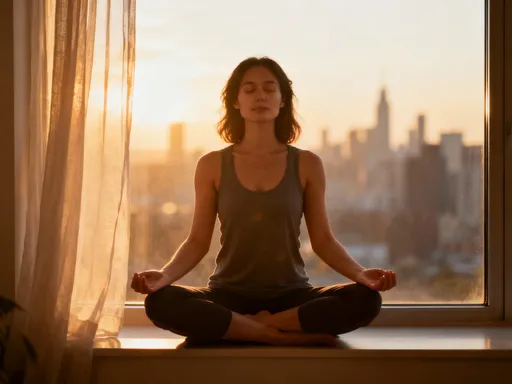
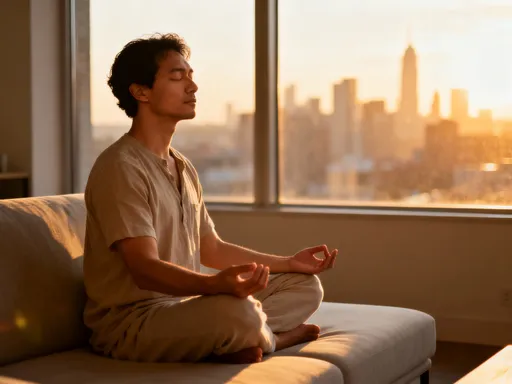
Among all the tools available for managing anxiety, controlled breathing is one of the most accessible—and most overlooked. Unlike medication or therapy, it requires no prescription, no special equipment, and no appointment. It is always available, and it works quickly. The reason lies in the direct connection between breath and the autonomic nervous system. When breathing is rapid and shallow, the body interprets this as a sign of danger. But when breath is slow and deep, especially with a focus on the exhale, it sends a clear signal: “You are safe.” This simple act can interrupt the stress response within minutes.
One effective method is the 4-6-8 breathing technique. It involves inhaling quietly through the nose for a count of four, holding the breath for six seconds, and then exhaling slowly through the mouth for eight. The extended exhale is key—it activates the vagus nerve, which helps regulate heart rate and promotes a state of calm. This is not a mystical practice; it is grounded in physiology. Studies have shown that slow breathing can reduce cortisol levels, lower blood pressure, and improve heart rate variability, a marker of resilience. Even two minutes of this practice can shift the body from a state of alertness to one of relaxation.
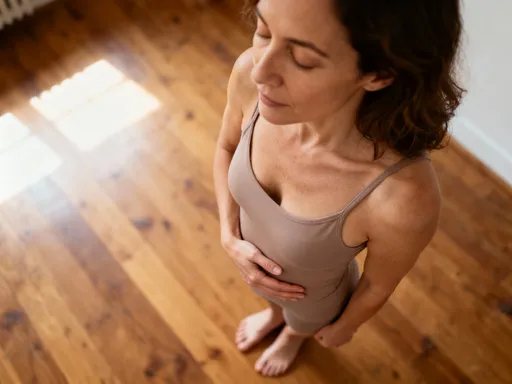
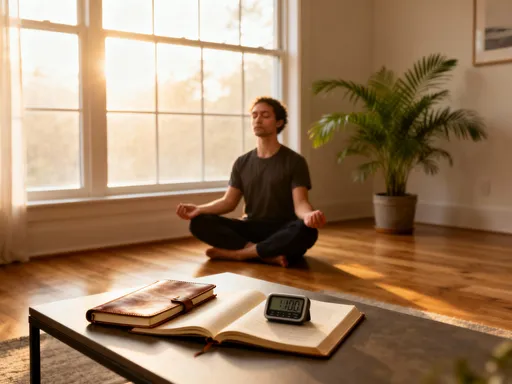
Integrating this into daily life doesn’t require a major time commitment. Some women find it helpful to practice first thing in the morning, before getting out of bed. Others use it during transitions—after dropping the kids at school, before starting dinner, or during a work break. The goal is not perfection, but consistency. Over time, the body begins to recognize this rhythm as a cue for safety, making it easier to return to calm even in stressful moments. It becomes a quiet anchor, a way to regain control without drawing attention or needing privacy. In a world full of noise, this simple act of breathing can be a powerful act of self-care.
Movement That Actually Helps (No Gym Required)
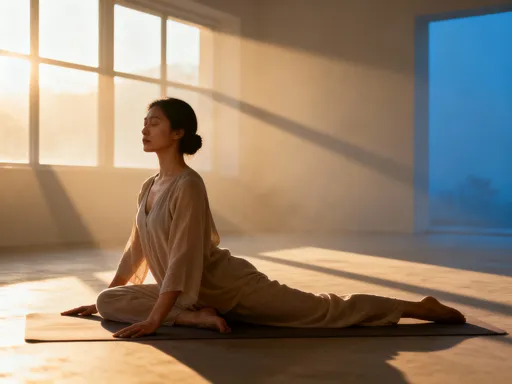
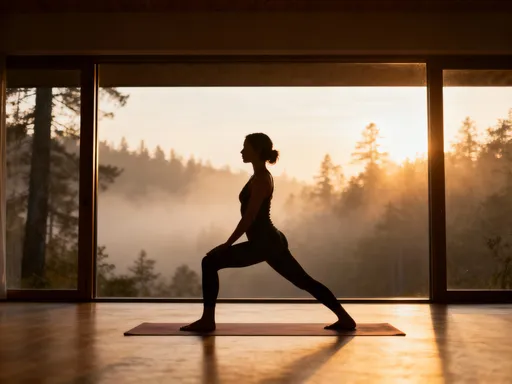
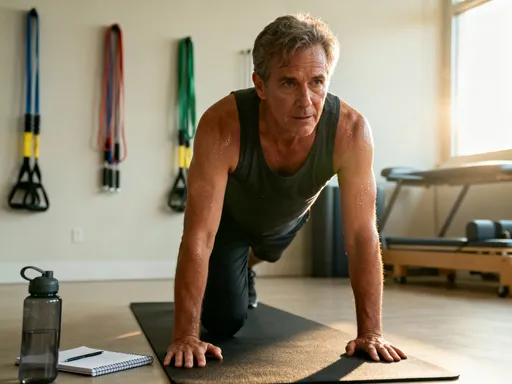
Exercise is often recommended for anxiety, but the word itself can feel intimidating. Images of intense workouts, crowded gyms, or complicated routines may come to mind—barriers that make the idea seem out of reach. Yet, when it comes to calming the nervous system, gentle movement is often more effective than high-intensity training. The goal is not to burn calories, but to release trapped energy and reconnect with the body. Rhythmic, mindful activities like walking, stretching, or tai chi provide just the right amount of stimulation to reset the system without overwhelming it.
When anxiety strikes, the body is flooded with adrenaline—a hormone that prepares muscles for action. In ancient times, this energy would have been used to run or fight. Today, it often remains unused, contributing to restlessness, tension, and fatigue. Movement helps metabolize this excess, allowing the nervous system to return to balance. Even a five-minute walk around the block can make a difference. The key is rhythm: a steady pace, repeated motion, and awareness of the body in motion. This type of activity engages the parasympathetic nervous system, the counterpart to fight-or-flight, which supports relaxation and recovery.
For those with limited time or mobility, small movements still count. Shoulder rolls at the kitchen counter, gentle neck stretches while sitting, or standing and swaying side to side can all serve as micro-resets. The important thing is regularity. Just as daily brushing prevents dental problems, daily movement prevents the buildup of stress. It doesn’t have to be long or strenuous. What matters is showing up for yourself in a way that feels sustainable. Over weeks and months, these small actions build resilience, making it easier to handle life’s inevitable pressures without spiraling into anxiety.
Taming the Thought Spiral with Grounding Techniques
One of the most distressing aspects of anxiety is the thought spiral—when the mind races from one worry to the next, feeding on itself until reality feels distorted. In these moments, logic rarely helps. Telling yourself “That’s not true” or “You’re overreacting” often backfires, making the thoughts feel louder. A more effective approach is grounding: bringing attention back to the present moment through the senses. This doesn’t eliminate anxious thoughts, but it creates space from them, reducing their power.
One widely used method is the 5-4-3-2-1 technique. It asks you to identify five things you can see, four you can touch, three you can hear, two you can smell, and one you can taste. This simple exercise forces the brain to shift from internal rumination to external awareness. It works because the sensory system and the anxiety center cannot operate at full capacity at the same time. By focusing on what is real and immediate, you interrupt the cycle of catastrophic thinking. Another effective tool is box breathing: inhale for four, hold for four, exhale for four, hold for four. This rhythmic pattern calms the mind by regulating the breath and providing a mental focus.
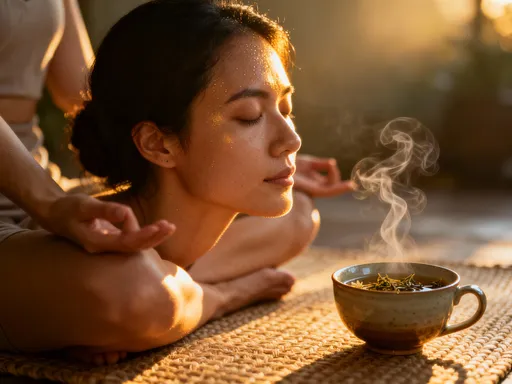
Touch-based anchoring is another valuable strategy. Holding a cold water bottle, pressing your feet into the floor, or wrapping your hands around a warm mug can all serve as physical reminders of the present. These actions are discreet and can be used anywhere—during a tense phone call, in a crowded store, or before a social event. The goal is not to suppress emotions, but to stay connected to the body. When you feel grounded, even slightly, anxiety loses its grip. Over time, these practices become second nature, offering a reliable way to return to center when the mind begins to drift into worry.
Sleep, Food, and Routine: The Daily Foundations
Anxiety doesn’t exist in a vacuum. It is deeply influenced by daily habits, especially sleep, nutrition, and routine. When these foundations are unstable, anxiety is more likely to flare. Poor sleep, for example, impairs emotional regulation and increases sensitivity to stress. Even one night of disrupted rest can make the next day feel more overwhelming. Similarly, skipping meals or relying on sugary snacks leads to blood sugar swings, which can mimic or worsen anxiety symptoms—shakiness, irritability, and mental fog. Without consistent structure, the body never gets the message that it is safe.
The good news is that small, consistent changes can make a big difference. Setting a bedtime alarm—just as you would for waking up—helps establish a regular sleep schedule. Creating a wind-down ritual, such as turning off screens, dimming lights, and reading a book, signals to the brain that it’s time to rest. Nutritionally, balanced meals with protein, fiber, and healthy fats support steady energy and mood. Simple swaps—like choosing an apple with peanut butter over a candy bar—can reduce afternoon crashes and the anxiety they bring. Hydration also plays a role; even mild dehydration can affect concentration and increase feelings of tension.
Routine provides predictability, which the anxious mind craves. This doesn’t mean rigid scheduling, but rather gentle structure: knowing when you’ll eat, move, rest, and connect with others. For busy women, this might look like preparing breakfast the night before, scheduling a short walk after lunch, or setting a consistent time to check emails. These habits aren’t about perfection—they’re about creating a sense of safety in the body. When the nervous system learns that basic needs will be met, it doesn’t need to stay on high alert. Over time, this reduces the background hum of anxiety, making it easier to manage when it does arise.
Building a Personal Anxiety Toolkit (And Knowing When to Seek Help)
There is no single solution for anxiety. What works for one person may not work for another. The most effective approach is to build a personalized toolkit—combining breathwork, movement, grounding, and lifestyle adjustments in a way that fits your life. Start small. Choose one or two practices that feel manageable, such as the 4-6-8 breathing method or a five-minute evening walk. Track how you feel, not to judge yourself, but to notice patterns. Over time, you’ll learn which tools help most in different situations. The goal is not to eliminate anxiety completely—that would be unrealistic—but to reduce its intensity and frequency, so it no longer controls your days.
Equally important is knowing when to seek professional support. Self-management is powerful, but it is not a substitute for medical or psychological care. If anxiety interferes with work, relationships, or daily functioning—if it feels too heavy to carry alone—reaching out to a licensed therapist or doctor is a sign of strength, not failure. Cognitive behavioral therapy (CBT), for example, has been shown to be highly effective in treating anxiety by helping people identify and change unhelpful thought patterns. In some cases, medication may be recommended as part of a comprehensive plan. These options are not admissions of defeat; they are responsible steps toward well-being.
Living with anxiety does not mean you are broken. It means you are navigating a complex world with a sensitive system. With the right tools and support, calm is not only possible—it is within reach. The journey is not about perfection, but progress. Each small step—each conscious breath, each moment of grounding, each choice to care for your body—adds up. Over time, you regain a sense of agency. You learn that while you may not control every thought or feeling, you can influence how you respond. And that makes all the difference.