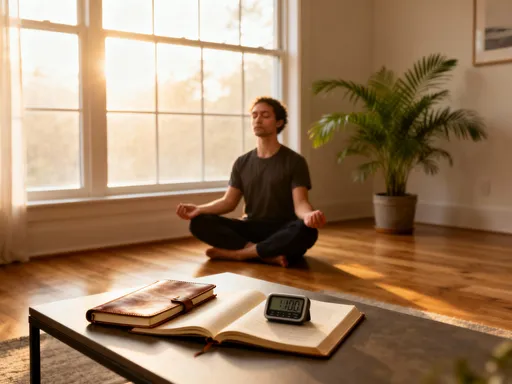
How I Tamed My Stress with a Simple 4-Step Movement Routine
Stress sneaks up on you—racing thoughts, tight shoulders, endless to-do lists. I’ve been there, overwhelmed and exhausted, until I discovered something surprising: movement isn’t just for fitness, it’s a game-changer for mental calm. Not intense workouts, but a smart, simple exercise system that resets your nervous system. This is the real talk version—no hype, just what actually works. Let me walk you through the method that changed my stress response for good.
The Hidden Link Between Movement and Mental Calm
Stress is more than an emotional state—it’s a full-body experience. When the mind perceives pressure, the body responds with a cascade of physiological changes. The adrenal glands release cortisol, the so-called “stress hormone,” which increases heart rate, sharpens alertness, and tenses muscles in preparation for action. This response was designed for survival—facing threats like predators or natural dangers—but today, it's often triggered by emails, deadlines, or family responsibilities. The problem arises when this system stays activated long after the threat has passed, leading to chronic tension, fatigue, and mental fog.
Many women in their 30s to 55s report feeling constantly “on,” even during quiet moments. The body holds stress in predictable places: the neck, shoulders, jaw, and lower back. Over time, this physical tension feeds back into the mind, creating a loop of anxiety and exhaustion. Traditional advice like “just relax” or “take deep breaths” often falls short because it doesn’t address the physical component of stress. The body needs more than intention—it needs action. That’s where movement comes in.
Rhythmic, intentional movement has been shown to regulate the autonomic nervous system, shifting the body from a state of fight-or-flight into one of rest-and-digest. Unlike passive relaxation techniques, movement actively discharges built-up nervous energy. It signals safety to the brain by demonstrating control, rhythm, and predictability. This is not about burning calories or building strength, though those are welcome side effects. It’s about using motion as a language—telling your body, “You are safe now.” Practices like walking, gentle stretching, or flowing motions with breath have been used for centuries in traditions such as yoga and tai chi, and modern science now confirms their value in reducing cortisol levels and improving emotional regulation.
Why Most Exercise Advice Misses the Point for Stress
When people think of exercise, they often picture high-intensity workouts—spinning classes, boot camps, or weightlifting sessions designed to push physical limits. While these forms of activity have benefits, they are not always appropriate for someone already experiencing chronic stress. The body under prolonged pressure is not in an optimal state to handle additional physical strain. In fact, adding intense exercise to an already taxed system can increase cortisol further, leading to burnout rather than relief.
This mismatch explains why many women abandon exercise routines when they need them most. After a long day of managing work, children, and household demands, the idea of a 45-minute HIIT session feels overwhelming, even punishing. The guilt of not following through only adds to the emotional burden. The fitness industry often promotes exercise as a performance metric—how fast, how hard, how many calories burned—but this mindset contradicts the needs of a stressed nervous system, which craves gentleness, rhythm, and consistency.
The goal of stress-reducing movement is not fitness in the traditional sense, but resilience. It’s about building the capacity to recover, to return to balance after disruption. This requires a different approach—one that prioritizes regulation over exertion. The most effective routines for stress are not the most strenuous, but the most sustainable. They are short, accessible, and repeatable, designed to fit into real life without adding pressure. The shift in thinking—from exercise as achievement to movement as self-care—is essential for long-term success.
Building a System, Not a Workout: The 4-Part Framework
What sets this method apart is its structure: a repeatable system, not a one-off workout. The framework is built around four simple steps—ground, flow, reset, repeat—each serving a distinct purpose in calming the nervous system. Unlike traditional fitness plans that focus on intensity or duration, this approach emphasizes rhythm, awareness, and integration into daily life. It’s designed to be flexible, requiring no special equipment or large blocks of time. Whether you’re at home, at work, or caring for family, the system adapts to your reality.
Consistency is the true engine of change. A single 20-minute session won’t undo years of stress, but five minutes done daily can create lasting shifts. The body learns through repetition. Each time you engage in intentional movement, you reinforce a new neural pathway—one that associates physical activity with safety, not strain. Over time, this rewires the stress response, making it easier to return to calm even in challenging situations. The beauty of the system lies in its scalability: it works whether you’re new to movement or already active, because it’s not about how much you do, but how you do it.
The four steps are designed to be practiced in sequence, but each can stand alone when needed. Morning is ideal for grounding and flowing, midday for resetting, and evening for repeating the cycle. The goal is not perfection, but presence. By building a routine that feels manageable and nourishing, you create a sustainable habit that supports mental well-being for the long term. This is not a temporary fix—it’s a lifelong practice.
Step 1: Ground – Reconnecting Through Low-Impact Movement
Grounding is the foundation of the system. It’s about reestablishing the connection between mind and body, which often weakens under stress. When the mind is racing, the body can feel like an afterthought—something to carry you from task to task. Grounding brings attention back to physical sensation, reminding you that you are present in your body, here and now. This step uses low-impact, mindful movements that require little effort but yield deep benefits.
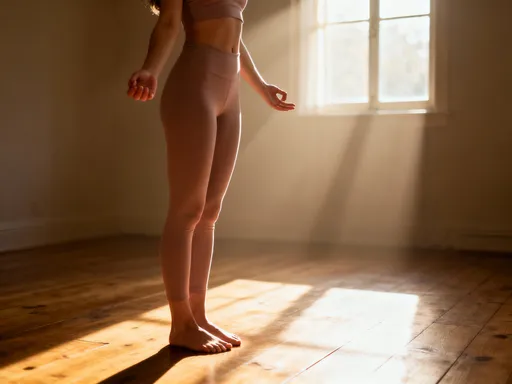
One of the simplest grounding practices is walking with awareness. Instead of rushing from room to room, try walking slowly for just two to three minutes, noticing the sensation of your feet touching the floor. Feel the shift of weight, the contact with the ground, the rhythm of your steps. This small act signals safety to the nervous system by reinforcing stability and control. If standing isn’t possible, seated rocking or gentle ankle circles can produce a similar effect.
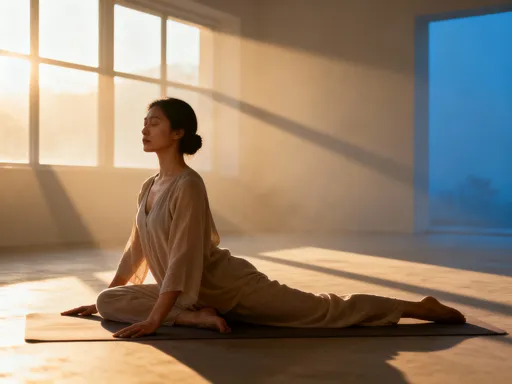
Another effective grounding technique is gentle stretching. Focus on areas where tension accumulates—neck, shoulders, hips, and lower back. Move slowly, without forcing or pushing. The goal is not to achieve a deep stretch, but to invite awareness. For example, slowly rolling the shoulders forward and backward for one minute can release tension and improve circulation. Pairing movement with breath enhances the effect: inhale as you lift the shoulders, exhale as you roll them down. This synchrony between breath and motion deepens the calming signal to the brain.
Timing matters. Grounding is most effective when done first thing in the morning or after a stressful event. Even 90 seconds can make a difference. The key is to stay present—avoid multitasking or checking your phone during the practice. Treat it as a small act of self-respect, a way of saying, “I am worth this moment.” Over time, grounding becomes a reflex, a way to return to center before reacting to external demands.
Step 2: Flow – Gentle Rhythms That Soothe the Nervous System
Flow is the heart of the system—the part that creates a sense of ease and mental quiet. It involves repetitive, predictable motions that engage the body in a rhythmic way. Unlike high-energy exercise, flow movements are smooth, continuous, and calming. They mimic natural rhythms like breathing, walking, or swaying, which the nervous system recognizes as safe and familiar. This is why practices like tai chi, qigong, and certain forms of dance are so effective for stress reduction—they induce a meditative state through motion.
A simple flow routine might include arm circles, gentle torso twists, or slow weight shifts from side to side. The movements don’t need to be complex or precise. What matters is the rhythm and the attention given to each motion. For example, raising the arms slowly to the sides and lowering them with the breath creates a wave-like pattern that synchronizes body and mind. Repeating this for three to five minutes can quiet mental chatter and reduce feelings of overwhelm.
The science behind flow lies in its effect on the default mode network—the part of the brain active during mind-wandering and rumination. When this network is overactive, it contributes to anxiety and repetitive negative thoughts. Rhythmic movement interrupts this pattern by engaging the motor cortex and sensory systems, redirecting attention to the present moment. This is similar to the effect of meditation, but accessible to those who find sitting still difficult.
One sample five-minute flow routine can be done at home or even at a desk. Begin seated or standing with feet hip-width apart. Inhale as you raise both arms out to the sides and up overhead. Exhale as you lower them back down. Repeat for one minute. Next, add a gentle twist: inhale center, exhale rotate to the right, inhale back to center, exhale to the left. Continue for two minutes. Finish with slow neck rolls—half circles forward and back—for one minute. This sequence takes minimal effort but creates a profound sense of release. Practicing flow daily trains the body to enter a state of calm more easily, even in stressful environments.
Step 3: Reset – Using Short Bursts to Interrupt Stress Cycles
Reset is the emergency tool in the system—designed for moments when stress spikes unexpectedly. Whether it’s a heated conversation, a work deadline, or a family conflict, these situations trigger immediate physiological responses: shallow breathing, clenched muscles, racing thoughts. The reset step uses micro-movements—short, targeted actions that take less than two minutes—to interrupt the stress cycle before it escalates.
One of the most effective reset techniques is the seated shoulder roll. While sitting, inhale as you lift the shoulders toward the ears, exhale as you roll them back and down. Repeat for 30 seconds. This simple motion releases tension in the upper back and improves breathing mechanics. Another powerful reset is the seated spinal twist: place the right hand on the left knee and gently rotate to the left, using the exhale to deepen the twist slightly. Hold for a few breaths, then switch sides. This movement stimulates the vagus nerve, which plays a key role in calming the nervous system.
Breath-synced motion is central to resetting. Try this: inhale for a count of four while raising the arms, exhale for six while lowering them. The longer exhale activates the parasympathetic nervous system, promoting relaxation. Even at a desk, these movements can be done discreetly. The goal is not to eliminate stress entirely—that’s unrealistic—but to prevent it from taking over. By inserting a reset into a tense moment, you regain a sense of control.
I’ve used this step during high-pressure meetings, after difficult phone calls, and even in the car before entering a busy household. The results are consistent: within minutes, my breathing slows, my shoulders drop, and my thinking becomes clearer. Over time, these micro-interruptions weaken the grip of chronic stress, making it easier to respond thoughtfully rather than react impulsively. Reset is not a cure, but a compass—guiding you back to balance when you’re off course.
Step 4: Repeat – Designing a Sustainable Daily Pattern
Repetition is what turns a helpful practice into a life-changing habit. The final step—repeat—is about integration. It’s not enough to do the movements once; they must become part of your daily rhythm. This doesn’t require willpower or perfection. Instead, it relies on habit stacking—linking new behaviors to existing ones—and environmental cues that prompt action without effort.
For example, you might pair grounding with your morning coffee: before taking the first sip, spend 90 seconds stretching your neck and rolling your shoulders. Or attach a flow session to lunch: after eating, stand and do three minutes of arm raises and gentle twists. Evening resets can follow dinner—a short walk around the house or a seated stretch while watching TV. These small linkages make the routine feel natural, not forced.
Tracking progress is subtle but meaningful. You won’t necessarily see dramatic changes overnight, but over weeks, you may notice better sleep, fewer mood swings, improved focus, and a greater sense of calm. These are signs that your nervous system is rebalancing. If life changes—travel, illness, or increased responsibilities—adjust the routine without guilt. Do shorter versions, shift the timing, or focus on just one step. The goal is continuity, not consistency in form.
What makes this system sustainable is its flexibility. It meets you where you are. Some days, you’ll do all four steps. Others, you’ll only have time for a reset. That’s enough. The message is clear: every small movement counts. Over time, the practice becomes less about managing stress and more about cultivating a resilient, calm presence in everyday life.
Putting It All Together: From Theory to Daily Practice
Integrating the 4-step system into daily life doesn’t require a major overhaul. Start with a simple timeline. In the morning, spend five minutes grounding—perhaps a slow walk around the house or a few stretches in bed. Midday, add a three-minute flow session at your desk or in a quiet space. When stress arises, use a 60-second reset. In the evening, repeat the cycle with a gentle version of the earlier movements, helping the body wind down.
Common obstacles include lack of time, low motivation, or forgetting to practice. To overcome these, set visual cues: a sticky note on your desk, a reminder on your phone, or a dedicated space with a mat or cushion. Pair the practice with something you already do—like brushing your teeth or waiting for the kettle to boil. If motivation dips, remind yourself that even 60 seconds of mindful movement has value. Progress is not measured in minutes, but in moments of presence.
This system is not a quick fix. It’s a long-term investment in mental well-being. Unlike fad diets or extreme fitness trends, it doesn’t promise overnight transformation. Instead, it offers something more enduring: a reliable tool for navigating life’s pressures with greater ease. The benefits accumulate quietly—better sleep, clearer thinking, deeper calm—until one day, you realize you’re no longer ruled by stress.
Final Thoughts: Movement as a Quiet Rebellion Against Chronic Stress
In a world that glorifies busyness and productivity, choosing gentle movement is an act of quiet rebellion. It says that your well-being matters more than endless output. It redefines exercise not as punishment for how you look, but as care for how you feel. This shift in perspective is powerful. When movement becomes self-respect, it no longer feels like another task on the list—it becomes a gift you give yourself.
The ripple effects extend beyond the individual. As you become calmer, more centered, your relationships improve. You respond with patience instead of reactivity. Your thinking becomes clearer, your decisions more grounded. This isn’t about achieving perfection, but about building resilience—one small movement at a time.
If you’re reading this and feeling overwhelmed, start today. Don’t wait for the perfect moment. Stand up, take three deep breaths, and roll your shoulders. That’s enough. Keep going, not because you have to, but because your mind and body will thank you. This is not just a routine. It’s a promise—to show up for yourself, gently, every day.