Why Yoga Meets TCM? What My Body Learned From This Powerful Mix
Have you ever wondered how ancient traditions can still heal in modern times? I started blending yoga and Traditional Chinese Medicine (TCM) wellness practices out of curiosity—but stayed for the results. Within weeks, my energy stabilized, sleep deepened, and stress lost its grip. This isn’t magic; it’s about balance. By tuning into natural rhythms and body signals, real shifts happen. Let me share what actually worked—and why your body might thank you for trying it too.
The Hidden Link Between Yoga and TCM: More Alike Than You Think
At first glance, yoga and Traditional Chinese Medicine may seem worlds apart—one rooted in India, the other in China, each with its own language, history, and practices. Yet beneath the surface, they share a profound philosophical alignment: the belief that health is not merely the absence of disease, but a state of dynamic balance. Both systems view the body as an interconnected network of energy pathways, where harmony between internal forces determines well-being. In yoga, life force is called prana; in TCM, it’s known as qi. Though the words differ, the concept is strikingly similar—energy must flow freely for optimal health.
This shared understanding extends to the principle of duality. Yoga emphasizes the balance between effort and ease, movement and stillness, strength and surrender. TCM centers on the equilibrium of yin and yang—opposing yet complementary forces that govern all aspects of life. Yin represents coolness, rest, and nourishment; yang embodies warmth, activity, and transformation. When either force dominates, imbalance arises. A woman in her early 40s might notice this as persistent fatigue despite adequate sleep, or frequent digestive discomfort after meals. These are not isolated issues but signals from the body indicating deeper disharmony.
Both traditions also reject the idea of treating symptoms in isolation. Instead, they focus on root causes. For example, chronic headaches may be addressed not just through physical tension release but by examining emotional patterns, dietary habits, and lifestyle rhythms. A TCM practitioner might observe a red tongue with a yellow coating and diagnose liver fire rising, while a yoga therapist might notice tight shoulders and shallow breathing linked to prolonged stress. The treatment in both cases would involve calming the nervous system, releasing stored tension, and restoring fluid energy flow. This holistic lens allows for a more complete picture of health—one that honors the complexity of the human experience.
How I Found My Way: From Stress to Steady Energy
My journey into this integrative approach began during a period of quiet crisis. I wasn’t ill, but I wasn’t thriving either. As a mother of two and a part-time professional, my days blurred into a cycle of obligations. I relied on coffee to start the morning and wine to unwind at night. Sleep felt elusive, and even weekends offered little relief. My body was sending warnings—frequent colds, bloating after meals, irritability over small things—but I dismissed them as normal signs of busy adulthood. It wasn’t until a routine check-up revealed elevated cortisol levels that I realized something needed to change.
Determined to find a sustainable solution, I turned away from quick fixes and began exploring gentle, time-tested practices. I started with a simple 15-minute morning yoga sequence—gentle stretches, cat-cow movements, and a few minutes of seated breath awareness. At the same time, I dipped into TCM principles by learning to observe my tongue each morning and drinking warm water upon waking, a habit said to support spleen qi and digestion. These changes felt minor, almost trivial, but within three weeks, subtle shifts emerged. My mornings became clearer, less groggy. I noticed I wasn’t reaching for that second cup of coffee. My digestion improved, and for the first time in years, I woke up without a sense of heaviness in my stomach.
Emotionally, the changes were just as significant. I found myself pausing before reacting—something I had never managed during heated family discussions. Where I once snapped at my children over spilled milk, I now took a breath and responded calmly. This wasn’t willpower; it felt like my nervous system had recalibrated. I began to suspect that these ancient practices weren’t just influencing my body—they were reshaping my relationship with myself. The combination of mindful movement and body-awareness rituals created a foundation of stability I hadn’t known I was missing.
What Your Body Is Telling You: Decoding Key Health Indicators
One of the most empowering aspects of blending yoga and TCM is learning to listen to your body’s feedback. Unlike conventional medicine, which often waits for symptoms to become severe, these traditions teach you to notice subtle cues before imbalance escalates. The tongue, for instance, is considered a mirror of internal health in TCM. A pale, swollen tongue with teeth marks along the edges may indicate spleen qi deficiency, often linked to poor digestion and low energy. A thick, yellow coating could point to damp-heat, commonly seen with inflammation or hormonal fluctuations. Observing these signs daily became a form of self-check-in—simple, non-invasive, and revealing.
Breath quality is another powerful indicator. In yoga, the breath is the bridge between body and mind. Shallow, rapid breathing often correlates with stress and sympathetic nervous system dominance, while slow, deep diaphragmatic breaths signal parasympathetic activation—the rest-and-digest state. By paying attention to how I breathed throughout the day, I began to notice patterns. During work calls, my breath would shorten; after a five-minute breathing practice, it would deepen and slow. This awareness allowed me to intervene early, preventing stress from building into exhaustion.
Posture and sleep patterns also offer valuable insights. Rounded shoulders and a forward head position may reflect not only physical strain but also emotional burden—something both yoga and TCM recognize. In meridian theory, the liver meridian runs along the inner legs and influences emotional regulation; tight hamstrings can be a physical manifestation of repressed anger or frustration. Similarly, waking between 1 a.m. and 3 a.m. is often associated with liver imbalance in TCM, while yoga practitioners note that this time corresponds with heightened mental activity and difficulty quieting the mind. By tracking these signals, I could tailor my practices—using specific stretches for tight areas, adjusting my evening routine to support liver detoxification, and choosing calming breathwork when sleep was disrupted.
Yin Yoga + Meridian Theory: A Match That Calms Everything
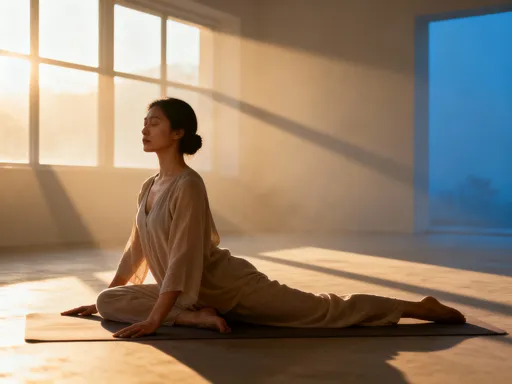
As my understanding deepened, I was drawn to yin yoga—a slower, more meditative form that involves holding floor-based poses for three to five minutes. Unlike the dynamic flow of vinyasa, yin targets the deeper connective tissues and fascia, promoting flexibility and joint health. What fascinated me most, however, was its alignment with TCM’s meridian system. Each yin pose gently compresses or stretches specific pathways, encouraging qi to move more freely. This synergy made the practice feel less like exercise and more like energetic maintenance.
One of the first poses I incorporated was Butterfly Pose (Baddha Konasana), which opens the inner hips and groin—areas traversed by the kidney and liver meridians. In TCM, the kidneys are considered the root of vitality, storing essence and governing growth, reproduction, and aging. When kidney qi is weak, fatigue, lower back pain, and fearfulness may arise. By holding Butterfly with supported knees and focusing on deep breaths, I noticed a sense of grounding and emotional release. Over time, my lower back aches diminished, and I felt more resilient in the face of daily pressures.
Another powerful pose is Dragon Pose (a low lunge variation), which targets the hip flexors and stretches the stomach and spleen meridians. The spleen, in TCM, is responsible for transforming food into energy and managing mental clarity. When sluggish, it can lead to brain fog, bloating, and overthinking. Holding Dragon Pose with mindful awareness helped me release tension I hadn’t realized I was carrying. I began to sleep more soundly, and my midday energy crashes became less frequent. These weren’t dramatic transformations, but consistent, cumulative improvements that enhanced my quality of life.
Breathing Like a Pro: Qigong-Inspired Techniques You Can Do Anywhere
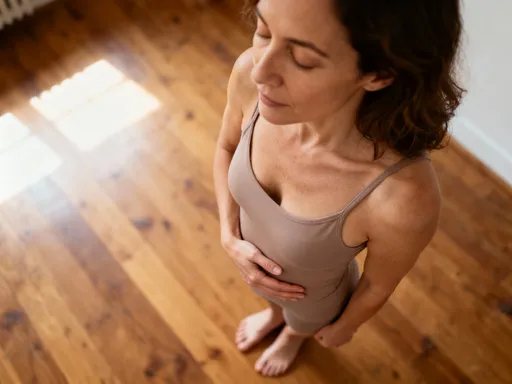
If movement is the body’s language, breath is its rhythm. One of the most accessible tools I’ve adopted is a qigong-inspired breathing method that combines diaphragmatic breathing with intentional timing. Known as the 4-6-8 technique, it involves inhaling through the nose for a count of four, holding the breath for six, and exhaling slowly through the mouth for eight. This pattern extends the exhalation, which directly stimulates the vagus nerve—the main component of the parasympathetic nervous system. Within minutes, heart rate slows, muscles relax, and mental chatter quiets.
I began using this technique during stressful moments—before school drop-offs, during work deadlines, or when disagreements arose at home. Instead of reacting impulsively, I would excuse myself for two minutes, step into another room, and practice the 4-6-8 breath. The change was remarkable. Where I once felt overwhelmed, I now felt centered. Over time, I noticed a measurable shift in my heart rate variability (HRV), a key marker of nervous system resilience. Higher HRV is associated with better stress adaptation, emotional regulation, and overall health—findings supported by clinical research on breathwork and mindfulness.
What makes this practice sustainable is its simplicity. It requires no equipment, no special clothing, and only a few minutes. Whether sitting at a desk, waiting in line, or lying in bed, the breath remains a constant companion. By returning to it regularly, I cultivated a deeper sense of inner stability. This wasn’t about achieving perfection in every breath, but about building a reliable anchor in the midst of life’s inevitable fluctuations.
Daily Rituals That Stick: Small Habits, Big Shifts
Sustainability is the cornerstone of lasting change. Grand resolutions often fade, but tiny, consistent actions create lasting transformation. My current routine is built around three anchor points: a five-minute morning stretch, a midday breath reset, and an evening self-massage. Each takes less than ten minutes, yet together they form a rhythm that supports my energy, digestion, and emotional balance.
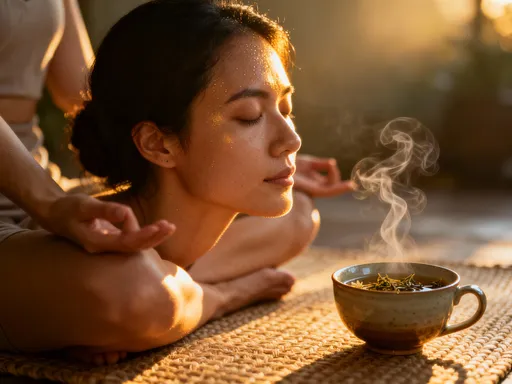
Each morning, I begin with gentle spinal waves, side bends, and a few rounds of joint mobilization. This wakes up the body without strain, aligning with TCM’s emphasis on moving qi gently upon waking. At midday, especially when I feel mental fatigue setting in, I pause for three rounds of the 4-6-8 breath. This resets my focus and prevents afternoon slumps. In the evening, I use a soft brush or my hands to massage my arms, legs, and feet—a practice known in TCM as self-acupressure. It promotes circulation, releases stagnation, and signals to the body that it’s time to wind down.
I’ve also adopted dietary habits rooted in TCM wisdom. I start each day with warm water, sometimes with a slice of lemon or fresh ginger, which supports digestion and warms the spleen. I limit raw and cold foods, especially in colder months, as they are believed to weaken digestive fire. Instead, I favor cooked, nourishing meals—soups, stews, and warm grains—that feel comforting and easy to process. These choices aren’t about restriction, but about honoring my body’s needs. Over time, I’ve noticed fewer digestive issues and a greater sense of physical ease.
When Science Meets Tradition: What Research Says About This Blend
While personal experience is powerful, it’s reassuring to know that science increasingly supports the benefits of integrating yoga and TCM principles. Numerous studies have demonstrated that regular yoga practice reduces cortisol levels—the primary stress hormone—improves vagal tone, and lowers markers of systemic inflammation. These changes are linked to better cardiovascular health, improved immune function, and enhanced mood regulation. Similarly, research on breathwork shows that slow, controlled breathing can significantly reduce anxiety and improve cognitive performance by enhancing oxygen delivery and calming the nervous system.
TCM diagnostics, though sometimes viewed with skepticism in Western medicine, have also gained scientific validation. Studies have shown correlations between tongue appearance and gastrointestinal health, as well as between pulse characteristics and autonomic nervous system function. While more research is needed, clinical observations continue to support the usefulness of these tools in identifying patterns of imbalance before they manifest as disease. Acupuncture, a key component of TCM, has been widely studied and is now recognized by major health organizations for its effectiveness in managing chronic pain, migraines, and nausea.
What’s important to emphasize is that this integration is not about replacing conventional medicine, but about complementing it. These practices work best when used as part of a holistic approach—alongside proper medical care, balanced nutrition, and emotional support. They are not cure-alls, nor do they promise instant results. But for those seeking greater awareness, resilience, and vitality, they offer a meaningful path. Professional guidance—from certified yoga therapists, licensed acupuncturists, or integrative health practitioners—can help ensure safe and effective implementation.
Conclusion
This fusion of yoga and TCM isn’t about perfection—it’s about listening. When you combine mindful movement with body-aware traditions, health becomes less of a goal and more of a daily conversation. The signals were always there; now you know how to respond. Start small, stay consistent, and let your body lead the way. Whether it’s noticing your tongue each morning, pausing for a few deep breaths, or holding a gentle stretch a little longer, each act is a step toward greater harmony. Over time, these moments accumulate into a life of deeper balance, clarity, and well-being. And that, perhaps, is the greatest gift these ancient traditions offer—not a cure, but a way of being.