Smoke Less, Drink Smart: My Real Food Fix That Actually Works
Quitting smoking and cutting back on alcohol isn’t just about willpower—it’s about what you eat every day. I learned this the hard way after years of cravings and false starts. Turns out, the right foods can calm your nerves, balance your mood, and reduce urges naturally. This isn’t a miracle cure, but a real, science-backed shift that helped me stay on track. Let’s break down how simple dietary changes can support a cleaner, healthier life—no hype, just truth.
The Hidden Link Between Diet and Addiction Triggers
Many people believe that overcoming nicotine or alcohol dependence is purely a battle of mind over matter. But the truth is more complex. What you eat plays a powerful role in shaping your cravings, mood swings, and ability to resist impulses. Poor nutrition doesn’t just weaken your body—it directly fuels the cycle of addiction. When your body lacks essential nutrients, your brain struggles to regulate emotions and control urges, making relapse more likely.
One of the most overlooked factors is blood sugar instability. When you skip meals or rely on sugary snacks and refined carbohydrates, your blood sugar spikes and crashes rapidly. These swings don’t just leave you feeling shaky or tired—they trigger irritability, anxiety, and intense cravings. For someone trying to quit smoking or reduce drinking, these symptoms can easily be mistaken for withdrawal, leading to a cigarette or a drink just to feel “normal” again. In reality, the body is simply asking for steady fuel, not nicotine or alcohol.
Another critical connection lies in the gut-brain axis—the two-way communication system between your digestive tract and your brain. Research shows that a healthy gut microbiome supports mental well-being by helping produce neurotransmitters like serotonin and GABA, which regulate mood and calm the nervous system. However, both smoking and heavy alcohol use disrupt gut health, reducing beneficial bacteria and increasing inflammation. This imbalance can worsen anxiety and depression, making it harder to stay committed to change.
Smokers and frequent drinkers also tend to have specific nutrient deficiencies that further compromise their efforts. For example, vitamin C is rapidly depleted by smoking, yet it plays a key role in repairing lung tissue and reducing oxidative stress. B vitamins, especially B6, B9 (folate), and B12, are often low in those who drink regularly, impacting energy levels and brain function. Magnesium, known as the “relaxation mineral,” is another common shortfall. It helps regulate nerve signals and muscle function, and low levels are linked to increased anxiety and sleep disturbances—all of which can trigger a return to old habits.
Instead of viewing diet as a side issue, it’s time to see it as foundational. The body needs the right building blocks to heal and function properly. Without them, even the strongest willpower can falter. By addressing nutritional gaps, you’re not just feeding your body—you’re supporting your brain’s ability to adapt, resist cravings, and maintain emotional balance during one of life’s toughest challenges.
Why Willpower Isn’t Enough—And What Is
For decades, society has framed quitting smoking or reducing alcohol as a test of discipline. If you fail, the message often implies, it’s because you didn’t try hard enough. But this belief ignores the biological realities of addiction. Willpower is important, but it’s not the whole story. Think of your brain as a car: no matter how skilled the driver, it won’t run well on bad fuel. If your diet is full of processed foods, sugar, and empty calories, your brain simply can’t function at its best.
Neuroscience confirms that addiction alters brain chemistry, particularly the systems involving dopamine and serotonin—chemicals responsible for pleasure, motivation, and mood regulation. Smoking and drinking artificially boost these neurotransmitters, creating a temporary sense of reward or relief. Over time, the brain becomes less capable of producing them naturally. When you stop using these substances, dopamine and serotonin levels drop, leading to low mood, fatigue, and strong cravings. This isn’t weakness—it’s a physiological response.
Diet directly influences these brain chemicals. For instance, tryptophan—an amino acid found in foods like turkey, eggs, and cheese—is a precursor to serotonin. Without enough protein in your diet, your body can’t make sufficient serotonin, making you more vulnerable to sadness and anxiety. Similarly, tyrosine, found in almonds, avocados, and bananas, helps produce dopamine. A diet lacking in these nutrients makes it harder for your brain to regain balance after quitting.
This is why relying solely on willpower often fails. You’re asking your brain to perform a difficult task while depriving it of the tools it needs. It’s like trying to climb a mountain without proper gear. When hunger, fatigue, or mood swings hit, the easiest shortcut feels like reaching for a cigarette or a drink. But when your body is well-nourished, your mental resilience improves. You’re better equipped to handle stress, resist impulses, and make thoughtful choices.
Physical readiness supports mental strength. Eating regular, balanced meals stabilizes your energy and mood. Staying hydrated keeps your cognitive functions sharp. Getting enough key nutrients helps your brain repair itself. These aren’t small details—they’re the foundation of lasting change. Instead of blaming yourself for a lack of willpower, consider whether your body is truly supported. With the right nutrition, willpower doesn’t have to carry the entire load.
The Craving-Crushing Plate: Core Dietary Principles
If you’re serious about reducing smoking or drinking, it’s time to rethink your plate. Not every food affects your body the same way. Some foods calm your nervous system and reduce cravings, while others can trigger urges and mood swings. The goal isn’t to follow a strict diet but to build meals that support your brain and body through transition. This approach isn’t about perfection—it’s about consistency and intention.
The first pillar is stable blood sugar. As previously discussed, blood sugar swings are a major trigger for cravings. To avoid them, focus on combining complex carbohydrates with protein and healthy fats. For example, instead of eating a plain bagel (which causes a rapid spike and crash), try whole grain toast with avocado and a boiled egg. The fiber in the bread slows digestion, the healthy fats from avocado add satiety, and the protein from the egg helps maintain steady energy. This combination keeps you full longer and prevents the jittery, irritable feeling that often leads to a cigarette or drink.
The second pillar is hydration. Water is one of the most powerful yet underrated tools in recovery. Even mild dehydration can cause headaches, fatigue, and brain fog—symptoms that closely resemble withdrawal. When you’re dehydrated, your body may send signals that feel like cravings, pushing you toward substances that once helped you cope. Drinking enough water throughout the day helps flush out toxins, supports liver function, and keeps your brain alert. A simple goal is to aim for six to eight glasses daily, adjusting for activity level and climate.
The third pillar is nutrient density. This means choosing foods that deliver the most vitamins, minerals, and antioxidants per bite. Instead of filling up on empty calories from chips, soda, or pastries, prioritize whole foods like vegetables, fruits, lean proteins, legumes, nuts, and whole grains. These foods provide the building blocks your body needs to heal from the effects of smoking and alcohol. For instance, leafy greens are rich in folate and magnesium, both of which support nerve function and emotional balance. Berries are packed with antioxidants that help repair oxidative damage in the lungs and brain.
Meal timing also matters. Going too long without eating can cause blood sugar to drop, increasing the risk of irritability and cravings. Eating three balanced meals and two small snacks each day helps maintain steady energy and prevents the “hangry” state that undermines self-control. It’s not about eating constantly—it’s about staying ahead of hunger. A mid-morning snack of Greek yogurt with a handful of almonds or an afternoon apple with peanut butter can make a big difference in how you feel by evening, when urges often peak.
Foods That Fight Nicotine Cravings (And Why They Work)
When you quit smoking, your body begins to heal—but it needs the right support. Certain foods can accelerate this process by reducing cravings, repairing tissue damage, and calming the nervous system. These aren’t gimmicks or supplements—they’re real, accessible foods that work with your biology.
High-antioxidant foods are essential. Smoking increases oxidative stress, damaging cells throughout the body, especially in the lungs and cardiovascular system. Antioxidants neutralize these harmful compounds and support repair. Berries—such as blueberries, strawberries, and raspberries—are excellent sources. Citrus fruits like oranges and grapefruits are rich in vitamin C, which is depleted by smoking and crucial for immune function and tissue healing. Dark leafy greens like spinach and kale also provide a wide range of protective compounds, including lutein and beta-carotene.
Protein-rich foods help in multiple ways. They promote satiety, preventing the hunger that can trigger cravings. They also provide amino acids that support neurotransmitter production. For example, eggs contain choline, which is important for brain health. Nuts like almonds and walnuts offer protein and healthy fats, helping stabilize mood. Greek yogurt is another strong choice, providing both protein and probiotics, which support gut health and, in turn, mental well-being.
Crunchy vegetables can serve as a physical substitute for the oral habit of smoking. Many people miss the hand-to-mouth motion of a cigarette. Chewing on carrot sticks, celery, or cucumber slices can satisfy that urge without the harm. These foods are low in calories, high in fiber, and rich in nutrients. They also increase saliva production, which may help cleanse the mouth and reduce the lingering taste that sometimes triggers a craving.
Omega-3 fatty acids, found in fatty fish like salmon and sardines, as well as in flaxseeds and chia seeds, play a vital role in brain health. They reduce inflammation and support the structure of brain cells. Studies suggest that omega-3s may help improve mood and reduce anxiety, both of which are common challenges when quitting smoking. Including a serving of fatty fish two to three times a week or adding ground flaxseed to oatmeal or smoothies can make a meaningful difference over time.
What to Eat When You Want a Drink
Alcohol cravings often arise not from desire, but from unmet physical needs. Two of the biggest triggers are blood sugar drops and stress. When your energy crashes in the afternoon or evening, your brain may associate alcohol with relief. Similarly, when stress builds up, alcohol may feel like the quickest way to unwind. But food can offer a healthier, more sustainable solution.
Complex carbohydrates are powerful allies. Unlike refined carbs, which cause rapid spikes and crashes, complex carbs release energy slowly and support serotonin production. Oats, for example, are a great choice. They contain beta-glucan fiber, which helps stabilize blood sugar and keeps you full. When cooked into a warm bowl of oatmeal with cinnamon and banana, they create a comforting, mood-boosting meal. Sweet potatoes are another excellent option. Roasted or mashed, they provide sustained energy and are rich in vitamin A and potassium, both of which support nerve and muscle function.
Green tea is a smart alternative to alcohol when stress hits. It contains a small amount of caffeine for gentle alertness, but more importantly, it has L-theanine—an amino acid that promotes relaxation without drowsiness. Together, they create a calm yet focused state, often described as “alert calmness.” Drinking a cup of green tea in the evening can provide a ritualistic comfort similar to having a glass of wine, without the negative effects.
Dark chocolate (70% cocoa or higher) can also help. It contains compounds that may boost mood and reduce stress hormones. A small square can satisfy a sweet craving and provide antioxidants. Just be mindful of portion size—too much can lead to blood sugar spikes. Pairing a piece of dark chocolate with a few almonds creates a balanced snack that soothes both body and mind.
It’s also important to avoid foods that mimic withdrawal symptoms. Artificial sweeteners, for example, have been linked to increased appetite and mood swings in some studies. Processed foods high in trans fats and sodium can contribute to inflammation and fatigue. These effects can be mistaken for cravings, leading to a cycle of poor eating and substance use. By choosing whole, minimally processed foods, you give your body a better chance to heal and stay balanced.
Hydration and Liver Support: The Silent Game-Changers
Water is often overlooked, but it’s one of the most effective tools for reducing cravings and supporting recovery. Every cell in your body depends on water to function, especially your brain and liver. When you’re well-hydrated, your body can more efficiently process and eliminate toxins, including nicotine and alcohol byproducts. Dehydration, on the other hand, slows these processes and can intensify withdrawal symptoms.
Many people don’t realize that thirst is often mistaken for hunger or cravings. When your mouth feels dry or your head starts to ache, your first instinct might be to reach for a cigarette or a drink. But drinking a glass of water can often resolve the issue. Keeping a water bottle nearby and sipping throughout the day helps maintain steady hydration. Adding a slice of lemon or cucumber can make it more appealing and provide a small boost of vitamin C.
The liver plays a central role in detoxification, and certain foods can support its function without making medical claims. Garlic, for example, contains compounds like allicin that may help activate liver enzymes involved in filtering toxins. Turmeric, a bright yellow spice, has curcumin, which has been studied for its anti-inflammatory properties. Adding a pinch of turmeric to soups or roasted vegetables can be both flavorful and supportive. Cruciferous vegetables like broccoli, Brussels sprouts, and cauliflower contain glucosinolates, which are believed to aid the body’s natural detox pathways.
It’s important to note that the liver is highly resilient and capable of regeneration, especially when given the right conditions. Avoiding excessive alcohol and processed foods is the first step. Supporting it with hydration and nutrient-rich foods is the next. There’s no need for extreme “cleanses” or supplements—simple, consistent choices make the biggest difference over time.
Building a Realistic Routine—Not a Perfect One
Change doesn’t require perfection. In fact, aiming for perfection often leads to frustration and giving up. A more sustainable approach is to build a flexible routine that fits your life. The goal is progress, not flawlessness. You don’t need to overhaul your diet overnight—small, consistent changes add up.
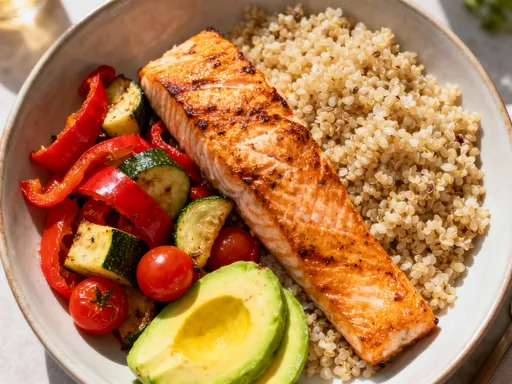
A simple framework is to aim for three balanced meals and two nourishing snacks each day. Each meal should include a source of protein, a complex carbohydrate, healthy fat, and vegetables. For breakfast, try scrambled eggs with spinach and whole grain toast. For lunch, a salad with grilled chicken, quinoa, avocado, and olive oil dressing. For dinner, baked salmon with roasted sweet potatoes and steamed broccoli. Snacks can include a banana with almond butter, cottage cheese with berries, or a small handful of mixed nuts and dried fruit.
Having a “craving rescue” snack on hand can prevent impulsive choices. One effective combo is apple slices with peanut butter—sweet, crunchy, and satisfying. Another is a hard-boiled egg with a few carrot sticks—simple, portable, and rich in protein and fiber. For a calming drink, try herbal chamomile tea with a splash of honey or warm almond milk with cinnamon. These provide comfort without alcohol or sugar spikes.
Remember, this nutritional approach is not a substitute for professional care. If you’re struggling with addiction, seeking support from a healthcare provider, counselor, or support group is essential. Nutrition is a powerful complement—not a replacement. It strengthens your body and mind, making other forms of treatment more effective.
Small Bites, Big Shifts
Food is not a magic cure for addiction, but it is a powerful ally. What you eat directly affects how you feel, think, and respond to cravings. By choosing foods that stabilize blood sugar, support brain health, and reduce inflammation, you give yourself a real advantage. This isn’t about punishment or restriction—it’s about self-respect and care.
Lasting change doesn’t come from dramatic overhauls. It grows from daily choices: choosing water over soda, nuts over chips, vegetables over fries. Each small decision builds resilience. Over time, these choices rewire your habits, improve your mood, and reduce your dependence on harmful substances.
Healing is not linear. There will be days when cravings win, when old patterns return. But each time you return to nourishing foods, you reaffirm your commitment to yourself. You’re not just quitting something—you’re building something better. And that begins with what’s on your plate.