Low-Fat Living, Big Flavor Wins: My Real Food Combos That Actually Work
You know that feeling when you think eating low-fat means saying goodbye to flavor? I’ve been there—staring at a sad plate of steamed veggies, wondering if healthy eating has to be boring. But after years of testing, tweaking, and tasting, I’ve cracked the code. It’s not about cutting out joy—it’s about smart combinations. This is how I transformed my energy, digestion, and satisfaction—without giving up taste. The truth is, low-fat eating doesn’t have to mean bland meals or constant hunger. With the right balance of protein, fiber, complex carbohydrates, and a touch of healthy fat, meals can be both nourishing and delicious. The key lies not in elimination, but in thoughtful pairing. This approach supports long-term health, helps maintain a steady weight, and keeps cravings at bay—all while delivering rich, satisfying flavors that make every bite worth it.
The Myth of Bland Low-Fat Eating
For decades, low-fat diets were equated with sacrifice. Many people remember the 1990s trend of swapping butter for margarine and whole milk for skim, only to find themselves snacking by mid-afternoon. The belief that cutting fat automatically leads to better health became widespread, but so did the unintended consequence: meals that lacked satisfaction. Steamed chicken breasts, plain rice, and boiled vegetables became the staples of so-called “healthy” eating. While these foods are not inherently bad, serving them without balance often results in meals that fail to keep hunger at bay.
The problem isn’t the absence of fat alone—it’s what replaces it. In many commercial low-fat products, fat is removed and replaced with sugar, salt, or artificial additives to preserve taste. A low-fat yogurt, for example, might contain more sugar than a dessert. This trade-off can lead to blood sugar spikes, increased hunger, and ultimately, overeating. Research published in the American Journal of Clinical Nutrition shows that diets too low in fat can impair the absorption of fat-soluble vitamins like A, D, E, and K, which are essential for immune function, vision, and bone health.
Moreover, fat plays a critical role in signaling fullness. When meals lack sufficient fat, even if they are high in calories, the brain may not register satiety. This biological response can make long-term adherence to strict low-fat diets difficult. The result? Many people abandon their eating plans, believing they lack willpower, when in reality, their meals simply weren’t balanced. The solution is not to return to high-fat processed foods, but to rethink how we build meals. Instead of focusing solely on what to remove, we should focus on what to include. The shift from restriction to combination is what makes low-fat eating not only sustainable but enjoyable.
Why Food Pairing Makes or Breaks Your Low-Fat Journey
Not all calories are created equal, and how foods interact in your body matters just as much as what you eat. This is where food pairing becomes a powerful tool. When nutrients are combined thoughtfully, they influence digestion, energy levels, and appetite regulation. For example, eating carbohydrates alone—especially refined ones—leads to a rapid rise in blood glucose. The body responds by releasing insulin, which helps cells absorb sugar. But when this happens too frequently or intensely, it can lead to energy crashes and increased fat storage over time.
Pairing carbohydrates with protein or fiber slows down this process. Protein takes longer to digest, which means glucose enters the bloodstream more gradually. Fiber, particularly soluble fiber, forms a gel-like substance in the gut that delays stomach emptying. This combination leads to a steadier release of energy and a longer-lasting feeling of fullness. A study from The Journal of Nutrition found that meals combining protein and fiber reduced hunger more effectively than meals high in either nutrient alone.
Think of your plate as a team—each food has a role. Carbohydrates provide energy, protein supports muscle and repair, and fiber aids digestion. Healthy fats, even in small amounts, help absorb vitamins and add richness. When one player is missing or overrepresented, the team underperforms. For instance, a low-fat muffin made with white flour and added sugar may seem healthy on the surface, but without protein or fiber, it acts more like candy than fuel. The body processes it quickly, leading to a spike and crash that leaves you reaching for another snack within an hour.
On the other hand, a balanced meal—such as oatmeal made with milk, topped with nuts and fruit—delivers sustained energy. The carbohydrates from oats are complex and high in fiber, the protein from milk helps maintain fullness, and the small amount of fat from nuts enhances flavor and nutrient absorption. This synergy is what makes food pairing the cornerstone of effective low-fat eating. It’s not about following rigid rules, but about creating meals that work with your body’s natural rhythms.
The Power of Protein in Low-Fat Meals
Protein is one of the most satiating macronutrients, meaning it helps you feel full longer. Unlike fats and carbohydrates, the body uses more energy to digest protein—a phenomenon known as the thermic effect of food. This means that including protein in meals not only supports muscle maintenance but also slightly boosts metabolism. For women over 30, preserving muscle mass becomes increasingly important as metabolism naturally slows with age. A diet rich in lean protein can help counteract this shift without adding excess fat.
There are many excellent sources of lean protein that fit perfectly into a low-fat eating plan. Skinless chicken breast, turkey, and white fish are naturally low in fat and high in quality protein. Plant-based options like lentils, black beans, chickpeas, and tofu provide protein along with fiber and essential nutrients. Dairy choices such as egg whites, cottage cheese, and Greek yogurt are also valuable. Greek yogurt, for example, contains nearly twice the protein of regular yogurt, making it a smart base for breakfast or snacks.
Consider a simple meal of grilled chicken breast served with quinoa and roasted bell peppers. The chicken provides about 26 grams of protein per 3-ounce serving with less than 3 grams of fat. Quinoa adds a complete plant protein and fiber, while the peppers contribute vitamins and natural sweetness. This combination delivers a satisfying, flavorful meal that keeps energy levels stable. The key is consistency—aim to include a source of protein in every meal and snack, even if it’s small. A hard-boiled egg, a handful of edamame, or a scoop of hummus with vegetables can make a meaningful difference.
Portion control is also important. While protein is beneficial, consuming too much at once doesn’t offer additional advantages and may displace other essential nutrients. A general guideline is to aim for 20 to 30 grams of protein per meal, depending on body size and activity level. Spreading protein intake throughout the day—rather than consuming most of it at dinner—has been shown to support muscle synthesis and appetite control. By making lean protein a regular part of meals, low-fat eating becomes more sustainable and satisfying.
Fiber: The Unsung Hero of Satisfying Low-Fat Eating
If protein is the star of satiety, fiber is the quiet powerhouse behind the scenes. Most adults consume far less fiber than recommended—around 15 grams per day, compared to the ideal 25 to 30 grams. Yet, increasing fiber intake is one of the simplest ways to improve digestion, manage weight, and reduce the risk of chronic diseases. In the context of low-fat eating, fiber plays a crucial role in preventing hunger and stabilizing blood sugar, making it easier to stick with healthy choices throughout the day.
Fiber comes in two main forms: soluble and insoluble. Soluble fiber dissolves in water and forms a gel that slows digestion. It’s found in oats, beans, apples, and chia seeds. This type of fiber helps lower LDL cholesterol and moderates blood sugar levels. Insoluble fiber, found in whole grains, nuts, and vegetables like broccoli and carrots, adds bulk to stool and supports regular bowel movements. Both types are important, and a balanced diet should include a variety of fiber-rich foods.
One of the most effective ways to start the day is with a high-fiber breakfast. A bowl of steel-cut oats topped with fresh berries, a sprinkle of chia seeds, and a few sliced almonds offers a powerful combination. The oats provide slow-digesting carbohydrates and soluble fiber, the berries add antioxidants and natural sweetness, and the chia seeds contribute omega-3 fatty acids and additional fiber. Even the small amount of fat from the almonds enhances flavor and helps absorb fat-soluble nutrients without adding excess calories.
Another benefit of fiber is its role in gut health. The human gut contains trillions of bacteria, many of which thrive on fiber. These beneficial microbes produce short-chain fatty acids that support immune function and reduce inflammation. A diet low in fiber can disrupt this balance, leading to digestive discomfort and increased hunger. By choosing whole, unprocessed foods—like lentils instead of canned soups, or an apple instead of apple juice—women can naturally increase their fiber intake without counting grams. Over time, this shift leads to better digestion, improved energy, and a greater sense of well-being.
Smart Carbs vs. Sugar Traps: Choosing the Right Partners
Carbohydrates have gotten a bad reputation, especially in low-fat and weight-loss circles. But not all carbs are the same. The difference between a slice of whole-grain bread and a white bread roll is not just in texture—it’s in how the body responds. Complex carbohydrates, found in whole grains, legumes, starchy vegetables, and fruits, are digested slowly and provide steady energy. Refined carbohydrates, such as white flour, white rice, and added sugars, are stripped of fiber and nutrients, leading to rapid spikes in blood sugar.
This distinction is especially important in low-fat eating, where food manufacturers often replace fat with sugar to maintain flavor. A low-fat granola bar, for example, may contain 12 grams of sugar—equivalent to three teaspoons—making it more of a dessert than a health food. Similarly, fat-free salad dressings can be loaded with high-fructose corn syrup and sodium. These products may seem like smart choices, but they can undermine weight management and energy stability.
The solution is to choose smart carbohydrate partners. Instead of white rice, opt for brown rice, quinoa, or barley. Instead of sugary breakfast cereals, choose oatmeal or whole-grain toast with nut butter. When craving something sweet, reach for a piece of fruit rather than juice or candy. Whole fruit contains fiber, water, and natural sugars, which work together to slow absorption and prevent blood sugar spikes.
Another helpful concept is glycemic load, which measures how much a food raises blood sugar, taking into account both the type of carbohydrate and the portion size. Pairing carbohydrates with protein or fiber lowers the glycemic load of a meal. For example, eating an apple with a handful of almonds results in a much gentler rise in blood sugar than eating the apple alone. This approach not only supports energy balance but also reduces the risk of insulin resistance over time. By making mindful choices and reading labels carefully, it’s possible to enjoy carbohydrates without the crash.
Don’t Fear a Little Fat: Healthy Fats as Flavor Boosters
For years, fat was the enemy. But science has evolved, and so should our thinking. While reducing saturated and trans fats remains important for heart health, completely eliminating fat from the diet is neither necessary nor beneficial. In fact, small amounts of healthy fats are essential for absorbing vitamins, supporting brain function, and enhancing the taste and satisfaction of meals. The goal is not to avoid fat, but to choose the right kinds and use them wisely.
Healthy fats come primarily from plant sources and fatty fish. Avocados, olive oil, nuts, seeds, and salmon are excellent choices. These foods contain monounsaturated and polyunsaturated fats, including omega-3 fatty acids, which have been linked to reduced inflammation and improved heart health. A study from the New England Journal of Medicine found that a Mediterranean-style diet rich in healthy fats led to greater weight loss and better cardiovascular outcomes than a low-fat diet.
The key is moderation. A drizzle of olive oil on a salad, a quarter of an avocado on toast, or a small handful of walnuts as a snack can transform a low-fat meal from forgettable to delicious. These additions provide richness and depth, making food more enjoyable without adding excessive calories. For example, a plain baked potato becomes satisfying with a sprinkle of olive oil and herbs, while a bowl of lentil soup gains creaminess with a spoonful of tahini.
Healthy fats also improve nutrient absorption. Fat-soluble vitamins like A, D, E, and K require dietary fat to be properly absorbed. Eating a salad with spinach, carrots, and tomatoes is nutritious, but adding a vinaigrette made with olive oil increases the body’s ability to use the nutrients in those vegetables. This synergy means that a little fat can actually enhance the health benefits of a low-fat meal. By embracing healthy fats as flavor enhancers rather than foes, women can enjoy more satisfying, nutrient-dense eating patterns.
Real-Life Meal Combos That Work
Theory is helpful, but real success comes from practical application. The following meal combinations have been tested and refined to deliver flavor, balance, and satisfaction—all while keeping fat content low and nutrients high. Each meal includes lean protein, fiber-rich carbohydrates, and a touch of healthy fat, creating a harmonious plate that supports energy and fullness.
For breakfast, try plain Greek yogurt with mixed berries, a teaspoon of chia seeds, and a few raw almonds. The yogurt provides protein, the berries offer antioxidants and fiber, the chia seeds add omega-3s and thickness, and the almonds contribute crunch and healthy fats. This bowl takes five minutes to assemble and keeps hunger at bay until lunch.
At lunch, a bowl of lentil soup served with a slice of whole-grain toast and a side salad dressed in lemon juice and olive oil offers a complete, comforting meal. Lentils are rich in protein and fiber, the whole grain adds sustained energy, and the salad with a light vinaigrette enhances flavor and nutrient absorption. This combination is especially effective on busy days when time is limited but nourishment is essential.
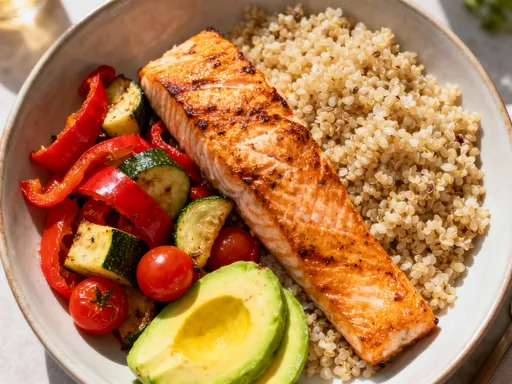
Dinner can be just as satisfying. Baked salmon or cod with roasted sweet potatoes and steamed broccoli creates a colorful, nutrient-packed plate. The fish provides lean protein and omega-3s, the sweet potatoes offer complex carbohydrates and beta-carotene, and the broccoli delivers fiber and vitamin C. A sprinkle of garlic and herbs adds flavor without salt or excess fat. This meal supports recovery, digestion, and restful sleep.
Flexibility is key. These meals can be adapted based on preferences, seasonal availability, or dietary needs. For example, tofu can replace fish for a plant-based option, or quinoa can substitute for sweet potatoes. The goal is not perfection, but progress—building meals that feel good and taste good, making healthy eating a sustainable lifestyle rather than a temporary fix.
Building Your Own Low-Fat Plate: A Simple Framework
Creating balanced meals doesn’t require complicated calculations or special ingredients. A simple visual guide can make healthy eating accessible and consistent. Imagine your plate divided into sections: fill half with non-starchy vegetables like spinach, peppers, zucchini, or carrots. These foods are low in calories but high in fiber, vitamins, and antioxidants. They add volume and color, making meals more appealing without adding fat.
Reserve one-quarter of the plate for lean protein—grilled chicken, baked fish, eggs, tofu, or legumes. This portion provides the building blocks for tissue repair and helps maintain fullness. The final quarter should be dedicated to whole grains or starchy vegetables such as brown rice, barley, sweet potatoes, or beans. These foods deliver sustained energy and additional fiber.
To enhance flavor without adding fat, rely on herbs, spices, citrus, vinegar, garlic, and onions. A sprinkle of cumin, a squeeze of lemon, or a dash of balsamic vinegar can transform simple ingredients into something extraordinary. Roasting vegetables with herbs instead of oil can still yield delicious results, especially when using non-stick cookware.
Planning ahead makes success more likely. Batch-cooking grains on weekends, washing and chopping vegetables in advance, and keeping healthy staples on hand reduces decision fatigue during busy weeks. Smart shopping—choosing fresh, frozen, or canned foods without added sugar or sodium—supports long-term adherence. Remember, consistency matters more than perfection. One unbalanced meal doesn’t undo progress. The goal is to make small, smart choices every day that add up to lasting change.
Final Thoughts: Eating Low-Fat Without Losing Joy
Low-fat eating doesn’t have to mean deprivation. When built on the foundation of smart food combinations, it becomes a way to enjoy food more fully. The real secret isn’t cutting out entire food groups, but balancing them in ways that support energy, digestion, and satisfaction. By including lean protein, fiber-rich carbohydrates, and a touch of healthy fat in every meal, women can create eating patterns that are both nourishing and delicious.
This isn’t about following a rigid diet or counting every calorie. It’s about making informed choices that fit into real life. It’s about savoring a bowl of soup with crusty whole-grain bread, enjoying a crisp salad with a flavorful dressing, or relishing a piece of fruit with a handful of nuts. These moments of pleasure are not exceptions—they are the essence of sustainable health.
Every bite is an opportunity to support well-being. By listening to your body, experimenting with flavors, and focusing on balance, you can eat in a way that feels good and looks after your long-term health. This isn’t a short-term fix. It’s a life upgrade—one smart bite at a time.