Dubrovnik Unfiltered: Where Stone Walls Meet Endless Blue
You know that feeling when a place just gets you? Dubrovnik did that to me. I came for the history, stayed for the sea. Hidden coves, sunlit cliffs, and views that look Photoshopped—but aren’t. This isn’t just a city; it’s nature and architecture in perfect sync. The limestone streets glow underfoot, the Adriatic shimmers in every alleyway glimpse, and the air carries the scent of wild rosemary and salt. If you're chasing real moments, not just check-ins, keep reading. This is travel at its most alive—a dialogue between the enduring strength of stone and the timeless pulse of the sea.
First Impressions: Stepping Into a Living Postcard
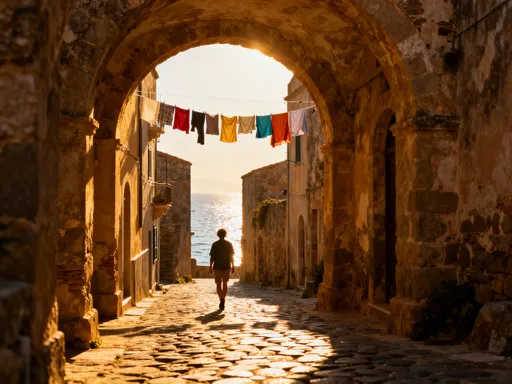
Arriving in Dubrovnik feels like stepping into a frame you’ve seen a thousand times—but never truly believed could exist in such clarity. As visitors pass through the grand Pile Gate, the city unfolds not as a museum piece, but as a living, breathing entity shaped by centuries of tides and trade. The warmth of sun-baked limestone radiates through the soles of your shoes, a quiet reminder that this is a place built to endure. Between the terracotta rooftops and honey-colored stone facades, flashes of the Adriatic appear—sudden, startling bursts of turquoise that seem to pulse with light.
The sensory immersion begins immediately. The air is clean and carries the mingled scents of sea spray, sun-warmed herbs, and faint traces of jasmine from hidden courtyards. Church bells chime in irregular patterns, echoing off the walls, while the distant cry of gulls blends with the murmur of multilingual conversations. Unlike many historic cities that impose themselves upon the landscape, Dubrovnik appears to rise organically from it. The city doesn’t dominate the coastline—it belongs to it. The contrast is striking: the precision of medieval stonework against the wild, untamed beauty of the Dalmatian coast. This is not a place frozen in time, but one in constant conversation with its environment.
Even the light here feels different—crisp and golden in the morning, deepening to molten amber by late afternoon. It plays across the stone in shifting patterns, illuminating centuries-old carvings and softening the edges of narrow alleyways. For first-time visitors, the experience is less about sightseeing and more about feeling: the texture of time, the rhythm of the waves below, the quiet awe of standing where so many have walked before. It’s this immediate, visceral connection that sets the tone for everything that follows.
The City Walls and the Sea: A Dialogue of Stone and Water
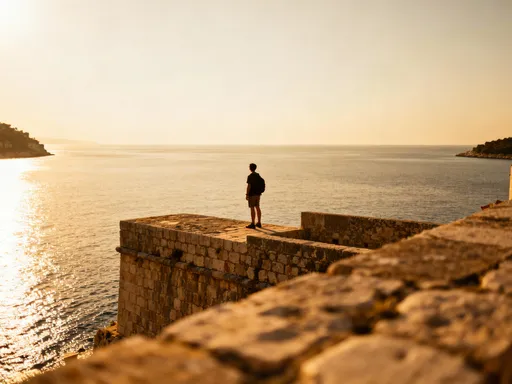
Walking the Dubrovnik city walls at sunrise is one of those rare travel moments that transcends expectation. With the day’s first light washing over the eastern ramparts, the crowds have yet to gather, and the city still holds its breath. From this elevated vantage, Dubrovnik reveals itself not as a fortress alone, but as a coastal organism intricately tied to the sea. The walls, built over centuries to protect, now serve another purpose: they frame an uninterrupted dialogue between human creation and natural force.
As the sun climbs, the water below shifts in color—deep indigo near the shore giving way to sapphire, then brilliant turquoise as it stretches toward the horizon. Tiny islets like Lokrum and Koločep dot the sea like emeralds scattered on glass. From above, the contrast is breathtaking: the rigid geometry of stone turrets and battlements against the fluid, ever-changing surface of the Adriatic. Yet, nature is not excluded. Figs and capers grow from cracks in the masonry, their roots defying gravity, a quiet testament to resilience. Lichens trace delicate patterns across ancient blocks, softening the fortress’s stern lines with organic grace.
This perspective changes how one understands Dubrovnik. It is not merely a relic of defense, but a structure in harmony with its surroundings. The walls were built to withstand invasion, yes, but they also channel sea breezes, frame views, and provide shelter. They are not barriers so much as connectors—between land and sea, past and present. Watching fishing boats glide beneath Fort Bokar, their wakes shimmering in the morning light, one senses the continuity of life along this coast. The sea has always been both protector and provider, and the walls stand as a tribute to that relationship.
Beyond the Old Town: Coastal Trails That Breathe
Just beyond the bustling lanes of the Old Town lies a quieter Dubrovnik—one that unfolds along coastal trails where the rhythm of the sea sets the pace. The path from Babin Kuk toward Sveti Jakov Beach is a revelation for those willing to step off the main routes. Winding along limestone cliffs, shaded by Aleppo pines and aromatic maquis shrubs, this trail offers panoramic views that rival any postcard. Here, the city’s grandeur recedes, replaced by the raw beauty of wind-sculpted rocks, hidden coves, and the endless expanse of the Adriatic.
The terrain is varied but manageable—some sections are paved, others consist of compacted earth and scattered stone. In spring, the trail bursts with color: wild thyme, rock samphire, and bright yellow broom flowers blanket the slopes. By summer, the vegetation dries to a golden hue, and the air shimmers with heat, making early morning or late afternoon hikes ideal. The trail leads to Sveti Jakov, a pebble beach tucked beneath dramatic cliffs, where locals swim in crystal-clear waters and fishermen still launch their small boats at dawn.
What makes these coastal walks so special is not just the scenery, but the sense of discovery. Unlike the curated experience of the Old Town, these paths feel unpolished and authentic. You might pass an elderly couple walking their dog, a painter setting up an easel, or a family gathering herbs from the hillside. There’s no entrance fee, no timed ticket—just the freedom to move at your own pace. For families, the trail is manageable for older children, though sturdy footwear is essential. Carrying water and wearing a hat are practical necessities, especially in high summer when shade is sparse. These trails remind visitors that Dubrovnik is not just a destination to be seen, but a landscape to be felt underfoot.
Island Escapes: Lokrum and the Call of Wild Green
A short boat ride from Dubrovnik’s main harbor lies Lokrum, an island sanctuary that feels worlds away from the city’s energy. Known for its dense Mediterranean vegetation, tranquil coves, and resident peacocks that roam freely, Lokrum offers a rare blend of natural serenity and gentle charm. Once a monastery site and later a retreat for European aristocracy, the island is now a protected nature reserve, preserving its ecological balance while welcoming visitors who seek peace over spectacle.
The journey itself is part of the experience. Small passenger boats depart regularly from the Old Town’s western dock, crossing the channel in under ten minutes. As you approach, the island rises like a green fortress from the sea—cypress trees, oleander, and laurel forming a dense canopy. There are no cars, no concrete hotels, no loud music—just walking paths, a small botanical garden, and quiet swimming spots like Big Beach and Dead Sea Cove. The water here is exceptionally clear, sheltered by rocky outcrops, making it ideal for snorkeling and floating in calm, sunlit bays.
What sets Lokrum apart is its stillness. Even on busy days, the island’s layout ensures that solitude is never far. Wander inland, and you’ll find the ruins of a 12th-century Benedictine abbey, now surrounded by ferns and ivy. Children laugh in the shallow waters while adults nap under olive trees. The resident peacocks—descendants of those brought by 19th-century nobility—add a touch of whimsy, their iridescent tails fanning out in sudden, silent displays. Because the island is protected, camping and large gatherings are prohibited, preserving its delicate ecosystem. This careful balance between access and preservation makes Lokrum not just a day trip, but a lesson in how nature and heritage can thrive together.
Sunset Rituals: How Locals Connect With Nature
As the sun begins its descent behind Mount Srđ, Dubrovnik transforms. The golden light bathes the city walls in a warm glow, and the rhythm of daily life shifts toward evening calm. This is when locals reclaim the waterfront—the Riva—turning it into a stage for quiet connection. Families stroll hand in hand, children chasing each other along the promenade, while couples find benches overlooking the harbor. Fishermen mend their nets near the old port, their boats bobbing gently in the fading light. This daily ritual is not performative; it is deeply rooted in the culture of coastal living.
One of the most cherished vantage points is Buža Bar, a cluster of small cafes carved into the rocks just outside the city walls. Accessed via a discreet door in the fortifications, these terraces cling to the cliffside, offering unobstructed views of the sea. Locals and visitors alike gather here with glasses of white wine or rakija, watching the sky shift from peach to violet. The sound of waves crashing below blends with soft music and low conversation. It’s a place of pause—a moment to breathe, reflect, and feel the day’s heat give way to a gentle coastal breeze.
Even the architecture seems to participate in this ritual. The stone, which absorbed the sun’s energy all day, now radiates warmth, making the evening air feel balanced and soothing. Streetlights flicker on, casting soft halos on the pavement, while the distant lights of islands blink awake. For Dubrovnik’s residents, this time of day is not just beautiful—it is necessary. It’s a return to the natural cycle, a reaffirmation of life lived in harmony with light and tide. Visitors who join this quiet procession aren’t just observing culture—they’re becoming part of it.
Sustainable Viewing: Balancing Access and Preservation
Dubrovnik’s beauty has made it one of the most visited destinations on the Adriatic, and with popularity comes responsibility. The city walls, walked by over a million visitors annually, show signs of wear—eroded steps, loosened stones, and increased strain on infrastructure. Coastal trails, too, face pressure from foot traffic, particularly in peak season. Recognizing these challenges, Dubrovnik has implemented thoughtful measures to protect its heritage while remaining accessible.
Visitor numbers to the city walls are now managed through timed entry and seasonal caps, helping to reduce congestion and preserve the structure. Certain trails, like those on Lokrum, have designated paths to prevent soil erosion and protect native plants. The city promotes eco-friendly transport—electric minibuses, bike rentals, and incentives for using the cable car instead of private vehicles. Additionally, single-use plastics have been restricted in public areas, and recycling stations are increasingly common.
Travelers can contribute meaningfully by making conscious choices. Visiting the walls early in the morning or late in the afternoon not only offers better light and fewer crowds but also helps distribute foot traffic. Staying on marked trails, carrying reusable water bottles, and supporting local businesses that prioritize sustainability all make a difference. Dubrovnik’s preservation is not the sole responsibility of authorities—it is a shared effort. Every respectful step, every mindful decision, helps ensure that future generations will also stand where stone meets sea and feel the same awe.
Why This Landscape Stays With You
Long after the suitcase is unpacked and the photos uploaded, Dubrovnik lingers in the mind. It’s not just the postcard views or the historical landmarks that leave a mark—it’s the deeper resonance of a place where nature and human creation exist in balance. The clarity of the light, the rhythm of the waves against stone, the scent of wild herbs on a sea breeze—these are not fleeting impressions, but sensory imprints that settle into memory.
There is a quiet peace in Dubrovnik that comes from its enduring presence. The walls have stood for centuries, shaped by war, weather, and time, yet they remain—anchored, unbroken. The sea, eternal and ever-changing, continues its dialogue with the shore. This interplay—between strength and fluidity, permanence and motion—speaks to something universal. It reminds us that beauty is not just seen, but felt in the body and spirit.
For the traveler, Dubrovnik offers more than a destination. It offers a perspective. In a world that often feels hurried and disconnected, this city by the sea stands as a testament to harmony—between people and nature, past and present, stillness and movement. To walk its streets, hike its trails, and watch its sunsets is to remember what it means to be present. And perhaps, that is the greatest gift of all: a place that doesn’t just welcome you, but changes you, quietly and completely.