What Nobody Tells You About Te Anau’s Wild Side
Te Anau, nestled on the edge of Fiordland National Park, is often praised as a gateway to paradise. But beyond the postcard views of Lake Te Anau and the famous Milford Track, there are real surprises few travelers expect. I went with high hopes and a packed hiking boot—only to face weather tantrums, trail confusion, and nature’s raw unpredictability. This isn’t just a love letter to New Zealand’s wild heart; it’s an honest look at what *really* happens when you chase beauty in one of Earth’s most untamed corners. The serenity of mirrored lakes and snow-capped peaks draws thousands each year, yet few are truly prepared for the physical demands, isolation, and ever-changing conditions that define this remote region. This journey is not for the casually curious—it rewards the thoughtful, the resilient, and the respectful.
First Impressions: The Calm Before the Storm
Arriving in Te Anau feels like stepping into a dream. The town sits quietly at the southern end of Lake Te Anau, the largest freshwater lake in New Zealand by volume, framed by the rugged peaks of the Kepler and Murchison ranges. The air is crisp, the sky often clear in the early morning, and the reflections of mountains shimmering on the lake’s surface are nothing short of magical. Many visitors arrive with visions of seamless adventures—well-marked trails, reliable transport, and cozy accommodations just a short walk from the water’s edge. And while Te Anau does offer essential services—supermarkets, fuel stations, visitor centers, and a handful of hotels and motels—its remote location in the South Island’s southwest corner means resources are limited.
The illusion of convenience fades quickly once you venture beyond the town center. There is no major airport, no chain pharmacies, and mobile phone coverage can disappear without warning. Wi-Fi is available in most lodgings, but speeds are often slow, making online planning or last-minute bookings difficult. For families or older travelers accustomed to urban accessibility, this can be a jarring adjustment. One traveler recounted arriving late in winter, only to find the local grocery store closed by 6:30 p.m., with no alternatives nearby. Another family discovered their GPS navigation failed on the final stretch of road due to outdated maps, leaving them stranded in the dark.
These small setbacks can quickly escalate. A missed shuttle, a forgotten piece of gear, or a delayed booking can turn a peaceful retreat into a stressful ordeal. The town’s charm lies in its simplicity, but that same simplicity demands foresight. Travelers should arrive with supplies stocked, itineraries confirmed, and backup plans in place. This isn’t a destination where you can rely on improvisation. The beauty of Te Anau is matched only by its isolation—and understanding that balance is the first step toward a successful visit.
Weather Whiplash: Nature’s Unpredictable Mood Swings
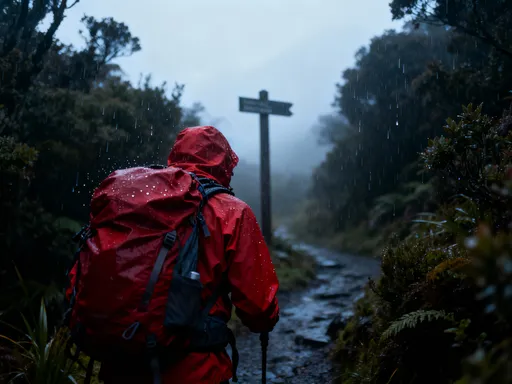
If there’s one force that shapes every experience in Te Anau, it’s the weather. Fiordland is one of the wettest regions on Earth, receiving an average of over 6,000 millimeters of rainfall annually—more than ten times the amount seen in many European capitals. But it’s not just the volume of rain that surprises visitors; it’s the speed and intensity with which conditions can change. One moment, the sun may be glinting off the lake, casting golden light across the forested hills. The next, a thick fog rolls in from the Tasman Sea, bringing with it a drenching downpour that falls sideways in the wind.
These rapid shifts aren’t mere inconveniences—they can be dangerous. Hikers caught without proper rain gear have faced hypothermia even in summer months. River levels can rise dramatically within hours, turning gentle crossings into impassable torrents. Driving conditions on State Highway 94, the main route to Milford Sound, can deteriorate quickly, especially on narrow, winding sections near the Homer Tunnel. In 2022, several vehicles were stranded overnight due to sudden snowfall in early spring, a reminder that winter can return without warning.
Preparation is non-negotiable. Layered clothing, including a high-quality waterproof jacket and insulated mid-layers, should be standard. Gaiters help keep feet dry in muddy or flooded sections, while moisture-wicking base layers reduce the risk of chilling. Travelers should check MetService forecasts regularly, but also understand that local conditions can differ from broader regional predictions. Real-time updates from the Department of Conservation (DOC) website or visitor centers provide critical alerts about track closures, avalanche risks, or flood warnings.
Many newcomers fall into the trap of the “wait-and-see” approach, hoping the rain will pass in an hour or two. But in Fiordland, patience can become perilous. Waiting too long to turn back from a hike or delay a boat departure can leave travelers exposed to worsening conditions. The safest strategy is to build flexibility into your schedule, allowing for delays or changes. Choosing accommodations with indoor amenities—a warm lounge, a well-stocked kitchen, or a local café—can make a rainy day feel cozy rather than crushing. Respect for the weather isn’t pessimism; it’s the foundation of a safe and rewarding journey.
The Misleading Simplicity of the Great Walks
The Kepler and Milford Tracks are among New Zealand’s most celebrated Great Walks, promoted for their breathtaking alpine vistas, ancient forests, and pristine lakes. Brochures often describe them as “moderate” or “challenging but achievable,” which can lead some to underestimate their demands. The reality is that these trails require a level of fitness, mental resilience, and logistical planning that goes far beyond a weekend stroll. The Milford Track, for example, spans 53.5 kilometers over four days, with steep ascents like the climb to Mackinnon Pass—over 1,100 meters above sea level—followed by long descents on slippery, root-crossed paths.
Many visitors arrive without prior training, assuming their general health will suffice. But carrying a full backpack—typically 10 to 15 kilograms—over uneven terrain for multiple days is taxing even for active individuals. Blisters, muscle fatigue, and joint strain are common, especially among older travelers or those unaccustomed to multi-day hiking. One woman in her early 50s shared how she had to be evacuated by helicopter after developing severe knee pain on the third day, having skipped strength training before departure. Another group reported missing their boat pickup because they underestimated how slowly they would move through muddy sections after heavy rain.
Proper preparation includes not just physical conditioning—such as regular hikes with a loaded pack, stair climbing, and core strengthening—but also mental readiness. Long days on the trail with limited distractions can be mentally draining. The isolation, combined with physical discomfort, can test even seasoned adventurers. Packing wisely is equally crucial: every item must earn its place. Overpacking leads to unnecessary strain, while underpacking—forgetting essentials like a headlamp, spare socks, or a first-aid kit—can compromise safety.
Accommodation on the Great Walks is primarily in DOC huts, which are basic but functional. They provide bunks, cooking spaces, and rainwater collection, but no electricity or heating. Reservations are required months in advance, especially during peak season (late October to April). Walkers must carry their own food, cooking fuel, and sleeping gear. For families or those used to guided tours with full support, this self-sufficient model can be a steep learning curve. Understanding these realities before arrival ensures that the adventure remains inspiring, not overwhelming.
Crowds vs. Solitude: The Overlooked Timing Trap
Te Anau is marketed as a place of solitude and wild escape, yet during peak season, the trails can feel anything but peaceful. The Milford Track, often called “the finest walk in the world,” sees over 10,000 visitors annually, most concentrated between December and February. Boat shuttles to trailheads fill up weeks in advance, huts are fully booked, and popular viewpoints become crowded with tour groups. The sense of wilderness immersion—so central to the experience—can be diluted by the presence of dozens of other hikers on the same path.
This timing trap catches many off guard. Families planning school holidays, retirees taking advantage of summer weather, and international tourists aligning with vacation schedules all converge at once. The result is a bottleneck effect: limited transport, crowded accommodations, and strained trail conditions. One couple described waiting over an hour for a return ferry after completing the Kepler Track, standing in the rain with wet gear and tired children. Another traveler noted that the famous Sutherland Falls viewpoint was so packed that they couldn’t get a clear photo without strangers in the frame.
The solution lies in strategic timing. Shoulder seasons—late October to early November and March to early April—offer milder weather, fewer people, and greater availability. During these periods, daily temperatures remain comfortable, daylight hours are still long, and the landscape is vibrant with new growth or autumn color. Rainfall is still possible, of course, but the trade-off in peace and flexibility is often worth it. Booking huts and shuttles six months ahead increases the chances of securing preferred dates, especially for groups or those with specific accessibility needs.
For those unable to travel during off-peak times, alternative routes can provide a sense of solitude. The lesser-known Routeburn Track, shared with Fiordland and Mount Aspiring National Parks, offers stunning alpine scenery with slightly lower traffic. Day hikes like the Luxmore Track or the walk to Te Anau Glowworm Caves also allow visitors to experience nature without committing to multi-day treks. The key is to balance desire for iconic experiences with realistic expectations about crowding. True connection with nature often comes not from ticking off famous trails, but from moments of quiet observation—something easier to find when you’re not in a crowd.
Navigation Nightmares: When Trails Disappear
In dense forest or high alpine zones, the line between adventure and danger can blur quickly—especially when trails become indistinct or signage is sparse. Te Anau’s terrain, shaped by steep valleys, thick vegetation, and frequent landslides, presents real navigation challenges. Many visitors assume that marked tracks are always clear, well-maintained, and easy to follow. But in reality, rain can wash out trail markers, tree fall can block paths, and fog can reduce visibility to just a few meters. GPS devices and smartphone apps like NZ Topo Maps are helpful, but they are not foolproof. Battery life can drain quickly in cold weather, and satellite signals often fail beneath thick canopy cover.
One family recounted how they strayed from the Kepler Track after a side trail wasn’t clearly marked, spending two anxious hours trying to reorient themselves. Another solo hiker had to be rescued after his phone died and he couldn’t recall the correct junction after dark. These incidents are not rare. The New Zealand Land Search and Rescue (LandSAR) organization responds to dozens of calls in Fiordland each year, many involving lost or disoriented hikers who relied solely on digital tools.
The solution is a layered approach to navigation. Every traveler should carry a physical topographic map and know how to read it. A compass is essential, and basic orienteering skills—such as aligning the map with terrain features or identifying landmarks—can be lifesaving. Before departure, hikers should study the route, note key junctions, and estimate walking times between points. Sharing your itinerary with a trusted contact and checking in upon return is a simple but effective safety measure.
DOC provides detailed track notes and hazard warnings on its website, and visitor centers offer free advice from rangers who know the terrain intimately. Taking a few minutes to consult with them can prevent hours of confusion. In high-risk areas, carrying a personal locator beacon (PLB) or using a satellite messenger like Garmin inReach adds an extra layer of security. These devices allow users to send emergency signals even without cell service. While no one sets out hoping to use them, their presence brings peace of mind—and in remote Fiordland, that peace is invaluable.
Wildlife Warnings: Respect Over Romance
Te Anau’s wildlife is one of its greatest draws—native birds flit through the forest, dolphins sometimes ride the bow waves of boats, and deer can be seen grazing at dawn. But close encounters aren’t always charming. The kea, a large alpine parrot known for its intelligence and curiosity, has earned a reputation as both a delight and a menace. These birds are drawn to bright colors, shiny objects, and anything that looks like food. They’ve been known to pry open car windows, unzip backpacks, and dismantle roof racks in search of snacks. One visitor returned to her vehicle to find her hiking boots chewed beyond repair, while another lost an entire lunch when a kea unlatched a cooler left unattended for just two minutes.
Then there are the sandflies—tiny but relentless. Found near still water, especially at dawn and dusk, their bites can cause intense itching and swelling. Unlike mosquitoes in other regions, New Zealand sandflies are particularly aggressive, and their bites can last for days. Insect repellent containing DEET or picaridin is effective, as are permethrin-treated clothing and fine-mesh head nets for sensitive individuals. Avoiding known breeding areas during peak times can also reduce exposure.
Other wildlife requires caution, not fear. Introduced species like stoats and rats threaten native birds, which is why DOC runs extensive predator control programs. Travelers should avoid feeding any animals, as human food can harm their health and alter natural behaviors. Storing food securely in designated lockers, especially in campsites and huts, prevents attracting pests and protects both people and wildlife.
Respect is the guiding principle. These animals are not performers or pets—they are wild creatures going about their lives. Observing them quietly, from a distance, and without interference allows for meaningful connection without disruption. That moment when a tūī lands nearby to drink from a stream, or a robin hops along the path without fear, is all the more special when it happens naturally. True appreciation comes not from interaction, but from presence.
Sustainable Travel: Avoiding the ‘Love It to Death’ Effect
Te Anau’s growing popularity is a double-edged sword. More visitors mean greater awareness and economic support for conservation, but they also bring pressure on fragile ecosystems. Trails erode under heavy foot traffic, litter occasionally appears in remote spots, and increased boat traffic can disturb aquatic life. The concept of “loving a place to death” is not hypothetical—it’s a real concern that DOC and local communities are actively working to address.
Every traveler has a role to play in minimizing impact. The Leave No Trace principles are not just guidelines; they are essential practices. Packing out all trash—including food scraps and biodegradable items like apple cores—prevents pollution and discourages animals from approaching human areas. Using designated campsites and walking only on formed tracks helps prevent soil compaction and vegetation loss. When camping, choosing durable surfaces and avoiding trampling moss or alpine plants preserves the landscape for others.
Supporting eco-certified operators also makes a difference. Many boat tours, guided hikes, and accommodations in Te Anau are certified by Qualmark Enviro-Gold, indicating high standards in sustainability, waste reduction, and community engagement. Choosing these services ensures that tourism dollars contribute to long-term protection rather than short-term gain.
Education is another powerful tool. DOC visitor centers offer free talks on conservation efforts, native species, and responsible behavior. Families can participate in citizen science projects, such as birdwatching logs or track condition reports, turning a vacation into a contribution. Even small actions—like cleaning hiking boots before and after walks to prevent the spread of invasive seeds—have cumulative benefits.
Sustainability isn’t about sacrifice; it’s about stewardship. The beauty of Te Anau belongs to no one and everyone. By traveling with care, visitors ensure that future generations can experience the same awe, the same silence, the same sense of wonder. This is not just a place to visit—it’s a place to protect.
Conclusion
Te Anau’s magic lies in its wildness—but that same rawness demands respect, preparation, and humility. It is not a theme park with timed attractions and fail-safe pathways. It is a living, breathing landscape shaped by rain, wind, time, and isolation. Avoiding its pitfalls isn’t about fear; it’s about embracing adventure with eyes wide open. It means packing not just for comfort, but for safety. It means planning not just for beauty, but for unpredictability. It means traveling not just as a guest, but as a guardian.
With the right mindset and planning, your journey here won’t just be safe—it’ll be unforgettable. You’ll remember the silence of a misty morning on the lake, the crunch of gravel underfoot on a deserted trail, the flash of a kea’s green wing against gray rock. You’ll carry home more than photos; you’ll carry a deeper understanding of what it means to move through the world with care and curiosity. Te Anau doesn’t give up its secrets easily, but for those who listen, it offers a rare kind of truth—one written in water, stone, and sky.