You’ve Never Seen Japan Like This – Karuizawa’s Wild Beauty Will Steal Your Breath
Nestled in the cool highlands of Nagano, Karuizawa isn’t just a retreat—it’s nature painted in its purest form. I’ve wandered forests where silence speaks louder than words, and lakes that mirror the sky like perfect glass. This isn’t your average tourist stop; it’s where mountain air fills your lungs and moss-covered trails lead to hidden waterfalls. If you're craving untouched beauty with real depth, Karuizawa delivers—quietly, powerfully, and without the crowds.
Why Karuizawa Stands Apart in Japan’s Natural Landscape
Perched at an elevation of approximately 1,000 meters above sea level, Karuizawa occupies a unique position within Japan’s diverse geography. Unlike coastal resorts or volcanic peaks frequented by climbers, this highland town thrives in a temperate zone shaped by cool breezes and abundant rainfall. Surrounded by the Yatsugatake Mountains and part of the larger Japanese Alps, Karuizawa benefits from a microclimate that supports dense woodlands and a slower pace of life. The air here feels different—crisp, clean, and rich with the scent of pine and damp earth, offering a sensory contrast to the humidity of Tokyo just 35 minutes away by bullet train.
When compared to other well-known nature destinations in Japan, Karuizawa stands out for its balance of accessibility and seclusion. Hakone, famous for its views of Mount Fuji and hot springs, often draws large crowds, especially on weekends. Nikko, with its ornate shrines and cascading waterfalls, is equally popular but can feel more curated and tourist-centric. Karuizawa, by contrast, maintains a quieter presence. Its forest trails are less congested, its open meadows less frequented, and its seasonal transitions unfold with a gentler rhythm. This sense of space allows visitors to experience nature not as a spectacle, but as a companion.
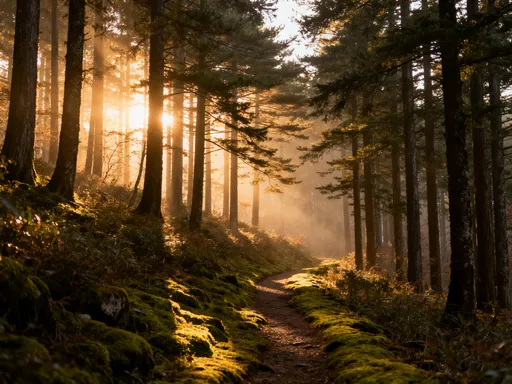
The town’s elevation plays a crucial role in shaping both its ecosystem and visitor experience. At 1,000 meters, temperatures remain about 5 to 7 degrees Celsius cooler than in Tokyo during summer, making it an ideal escape from urban heat. This elevation also fosters a distinct layer of vegetation—beech, birch, and Japanese cedar dominate the landscape, creating a canopy that filters sunlight into soft, dappled patterns on the forest floor. In autumn, these trees ignite in shades of amber and crimson, while in winter, a light dusting of snow transforms the terrain into a serene, monochrome dreamscape. The combination of altitude, rainfall, and volcanic soil creates conditions where biodiversity flourishes quietly, often unnoticed by the casual observer but deeply felt by those who pause long enough to listen.
The Heart of Karuizawa: Exploring Nasu Volcanic Plateau’s Legacy
Beneath Karuizawa’s tranquil surface lies a dynamic geological history rooted in the Nasu volcanic zone, an extension of the tectonic activity that formed Mount Asama—one of Japan’s most active volcanoes. Though Karuizawa itself is not volcanic, it sits within the broader influence of this ancient volcanic system, which has enriched the soil with minerals and created underground aquifers that feed natural springs throughout the region. These hidden water sources emerge in forest clearings and roadside seeps, providing fresh, drinkable water that locals and hikers alike rely on during long walks through the hills.
The legacy of this volcanic past is most visible in the region’s lush vegetation. Beech and birch forests thrive here, their roots drawing nutrients from mineral-rich substrates left behind by millennia of volcanic activity. These trees form a closed canopy in many areas, creating a cool, shaded environment that supports a complex understory of ferns, mosses, and wildflowers. In spring, the forest floor becomes a living tapestry of green shoots and delicate blooms, including native orchids and wood violets. The soil’s fertility also encourages the growth of edible plants such as warabi (bracken fern) and sansai (wild mountain vegetables), which are still harvested in season by local families practicing traditional foraging methods.
This fertile, protected environment supports a surprising variety of wildlife. Birdwatchers may spot the Japanese bush warbler, whose melodic call echoes through early mornings, or the Eurasian jay, its bright blue wing feathers flashing between branches. Insects, too, flourish—dragonflies hover over wetlands, while butterflies like the common copper and the Japanese purple emperor flit among wildflowers. More elusive are the small mammals: the Japanese dormouse, rarely seen but known to inhabit old-growth trees, and the sika deer, which occasionally wander near forest edges at dawn. These creatures are not performers for tourists but quiet residents of a balanced ecosystem, thriving in part because human development has been carefully managed to preserve natural harmony.
Seasonal Magic: When and Why to Visit for Peak Natural Beauty
Karuizawa’s beauty is not static—it evolves with the seasons, each one revealing a different facet of its natural soul. Spring arrives gently, usually in late April, when temperatures begin to rise and the forest awakens from its winter slumber. Fresh greenery unfurls in waves, turning the hillsides into a mosaic of tender lime and emerald. Along the lower trails, wild azaleas burst into bloom, their pink and crimson clusters standing out against the dark trunks of evergreen pines. This is a time of renewal, when the air carries the scent of damp soil and budding leaves, and the sound of running water grows louder as snowmelt feeds the streams.
Summer in Karuizawa is a gift for those seeking relief from Japan’s sweltering cities. With average daytime temperatures hovering around 23°C, the highland climate makes outdoor activities comfortable even in mid-July and August. Hiking trails remain shaded and cool, and outdoor cafes buzz with visitors enjoying iced teas and locally grown vegetables. The long daylight hours invite evening strolls through cedar-lined paths, where fireflies sometimes appear in marshy areas after dusk. It’s also the season for open-air concerts and farmers’ markets, where the rhythm of life slows just enough to appreciate the breeze rustling through the trees.
Autumn is perhaps Karuizawa’s most celebrated season, drawing photographers and nature lovers from across the country. From late October to early November, the forests ignite in a blaze of color. Maple and ginkgo trees turn brilliant shades of red, orange, and gold, their reflections shimmering in the still waters of Lake Tanaka and Kumoba Pond. The Kirigamine Highlands offer panoramic views of this transformation, with rolling hills appearing as if painted by a master artist. Morning fog often lingers in the valleys, adding a mystical quality to the landscape, while crisp air sharpens the senses and invites longer hikes.
Winter, though quieter, holds its own quiet magic. Snowfall is generally light—averaging 30 to 50 centimeters annually—but it’s enough to transform the pine forests into silent, frost-laden corridors. Walking trails remain accessible, and the lack of crowds makes this an ideal time for solitude and reflection. Frost clings to spiderwebs and pine needles, creating delicate patterns that glisten in the morning sun. For families, nearby ski areas offer gentle slopes, but the true appeal lies in the stillness: the crunch of snow underfoot, the hush of a forest wrapped in white, and the rare sight of deer moving cautiously through snow-dusted clearings.
Must-Walk Trails That Reveal Karuizawa’s Soul
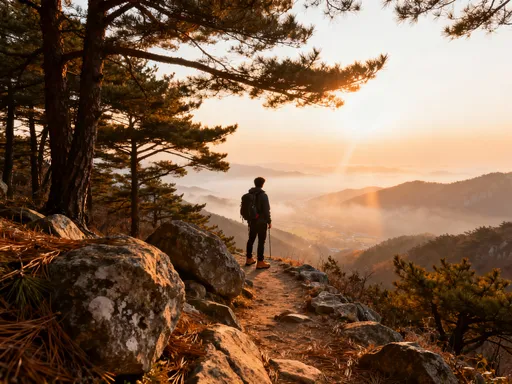
One of the most rewarding ways to experience Karuizawa’s natural essence is on foot, and few trails capture its spirit better than the Kirigamine Trail. Stretching approximately 10 kilometers along a high ridge, this path offers panoramic views of the surrounding mountains and valleys. The trail is well-maintained but retains a wild character, with wooden boardwalks crossing boggy sections and stone steps winding through rocky outcrops. Along the way, hikers encounter alpine plants such as edelweiss and gentian, which bloom in late summer. The incline is gentle, making it suitable for most fitness levels, and several rest points provide benches and informational signs about the local flora and geology.
Another must-visit is the path leading to Shiraito Falls, a delicate cascade that flows like a curtain of white thread down a moss-covered rock face. Fed by underground springs from the volcanic aquifer, the falls are not tall—only about 3 meters—but their beauty lies in their texture and setting. The water descends in fine strands, creating a soft, whispering sound that blends with the rustle of surrounding trees. A short, well-marked trail from the parking area leads to an observation deck, but those willing to walk further can explore side paths that follow the stream into deeper forest. In autumn, the falls are framed by red and gold foliage, making it one of the most photographed spots in the region.
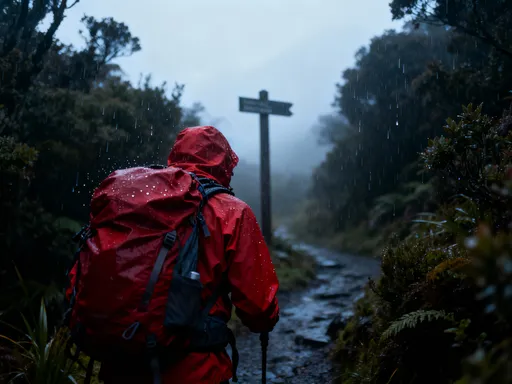
For those seeking a more personal experience, early morning is the best time to begin any hike. The forest is at its most alive during these hours—birds sing from the treetops, and mist rises from the damp ground, creating an ethereal atmosphere. Summer hikers should start before 9 a.m. to avoid the midday sun, even though much of the trail is shaded. Proper footwear is essential: waterproof hiking shoes with good grip will protect against slippery moss and wet rocks, especially near waterfalls and stream crossings. Lightweight, layered clothing allows for temperature adjustments, and a wide-brimmed hat can shield against glare filtering through the canopy. While Karuizawa’s trails are safe and well-marked, carrying a small backpack with water, snacks, and a basic first-aid kit ensures peace of mind on longer walks.
Hidden Natural Gems Beyond the Guidebooks
While popular sites like Shiraito Falls and Kumoba Pond attract visitors, some of Karuizawa’s most enchanting moments happen off the beaten path. Yagizaki Park, for instance, is a lesser-known wetland preserve that features a raised wooden walkway winding through a marshland rich in native flora. Cattails, irises, and water lilies thrive here, and in summer, dragonflies dart above the surface. Birdwatchers may spot the grey heron or the Oriental reed warbler, both of which nest in the reeds. Unlike more commercial parks, Yagizaki has no souvenir stalls or loud signage—just a small information board and a peaceful atmosphere that encourages quiet observation.
Scattered throughout the forested areas are small shrines, often tucked beneath ancient trees or beside quiet streams. These are not grand tourist attractions but humble places of local reverence, where residents leave small offerings or tie prayer strips to the branches. Visiting one feels like stepping into a private moment of harmony between people and nature. The shrines are not marked on most maps, but they appear unexpectedly along quiet lanes, often reached by following a narrow stone path lined with moss-covered lanterns. Their presence reminds visitors that in Japan, spirituality and the natural world are deeply intertwined.
Even the residential areas of Karuizawa hold surprises. Between the villas and guesthouses, narrow lanes meander through pine groves and open fields. These paths are perfect for early morning or late afternoon walks, when light filters through the trees in golden shafts. It’s not uncommon to see a deer grazing in a meadow or hear the song of a thrush echoing from the canopy. These encounters are not staged or managed—they are spontaneous gifts of a landscape that still allows wildlife to move freely. For visitors, these moments of quiet connection often become the most memorable parts of their stay, far more impactful than any checklist of famous sights.
Connecting with Nature Through Local Experiences
In Karuizawa, the relationship between people and nature is not just observed—it is practiced. One of the most meaningful ways to engage with the environment is through forest bathing, or shinrin-yoku, a practice officially recognized by Japanese health authorities for its mental and physical benefits. Certified guides lead small groups along quiet trails, encouraging participants to slow down, breathe deeply, and use all five senses to connect with the forest. Studies have shown that spending time in forests can reduce cortisol levels, lower blood pressure, and improve mood. In Karuizawa, where the air is rich in phytoncides—natural compounds released by trees—this experience feels especially potent.
Cycling is another excellent way to explore the region’s beauty. Dedicated bike paths wind through cedar tunnels, open meadows, and quiet country roads. Rentals are readily available in central Karuizawa, with options ranging from comfortable city bikes to mountain models for more rugged terrain. One popular route follows the old railway line, now converted into a scenic trail that passes through tunnels and over wooden bridges. Families often choose this path for its safety and ease, while more adventurous riders head toward the foothills for longer rides with elevation changes. Regardless of skill level, cycling allows visitors to cover more ground than walking while still maintaining a close connection to the landscape.
The connection to nature extends to the table as well. Several farm-to-table cafes in Karuizawa specialize in dishes made with mountain herbs, wild vegetables, and locally harvested mushrooms. Menus change with the seasons, reflecting what is fresh and available. A simple lunch might include a salad of yomogi (mugwort) and warabi, a soup flavored with sansho pepper, or a grilled trout caught in a nearby stream. These ingredients are not exotic imports but native foods that have sustained people in this region for generations. Dining at these cafes is more than a meal—it’s a continuation of the natural experience, a way to taste the forest and meadow with every bite.
Practical Tips for a Smooth, Immersive Escape
Reaching Karuizawa is both convenient and scenic. The Hokuriku Shinkansen connects Tokyo Station to Karuizawa Station in just 35 to 50 minutes, depending on the service. From the station, local buses run regularly to major trailheads, parks, and shopping areas. Taxis are also available, and many hotels offer shuttle services. For those driving, parking is available at trailheads and public facilities, though it’s advisable to arrive early on weekends when demand increases. The compact size of the town means that once you’re settled, much can be explored on foot or by bicycle.
Accommodation options cater to a range of preferences. Traditional ryokan offer tatami-matted rooms, futon bedding, and kaiseki meals featuring local ingredients, often with private onsen baths overlooking the forest. For a more modern experience, mountain lodges and boutique hotels provide spacious rooms, Western-style beds, and large windows that frame the natural scenery. Vacation rentals are also available for families or longer stays, many with kitchens and private gardens. Regardless of choice, booking in advance is recommended, especially during peak seasons like autumn foliage and summer holidays.
Packing wisely enhances comfort and enjoyment. Layers are essential—mornings and evenings can be cool even in summer, and temperatures drop quickly at higher elevations. A lightweight rain jacket is advisable, as sudden showers are common. Sturdy, waterproof hiking shoes are a must for trail walking, and sunglasses and sunscreen help protect against glare, especially on snow-covered paths in winter. For nature enthusiasts, a small pair of binoculars can greatly enhance birdwatching, and a reusable water bottle supports eco-friendly travel, as refill stations are available in many public areas.
Finally, respecting local etiquette ensures that Karuizawa remains a pristine destination for future visitors. Staying on marked trails protects fragile vegetation and prevents soil erosion. Keeping noise levels low allows others to enjoy the natural soundscape and minimizes disturbance to wildlife. Littering is strictly avoided—there are few public trash bins, so visitors are encouraged to carry out what they bring in. Feeding animals is discouraged, as it disrupts natural behaviors. These small acts of mindfulness reflect the Japanese principle of *satoyama*—living in balance with nature—and contribute to the enduring beauty of this special place.
Conclusion
Karuizawa offers more than scenery—it invites a slower rhythm, a deeper breath, a reconnection with what nature intended. Unlike flashier destinations, its power lies in subtlety: the hush of pines swaying, the sparkle of dew on spiderwebs, the sudden glimpse of sunlight breaking through mist. Choosing Karuizawa means choosing presence over spectacle. Whether you come for solitude, renewal, or simply to walk where air tastes clean again, this highland haven proves that sometimes, the most unforgettable journeys are the quietest ones. In a world that never stops moving, Karuizawa remains a sanctuary where nature speaks softly—but if you listen, it says everything.