You Gotta Hike These Hidden Trails Around Gwangju—Leisure Meets Adventure
Who knew hiking could feel this refreshing? Just beyond the buzz of Gwangju’s art galleries and food streets, nature quietly unfolds in lush green trails and peaceful highland parks. I went looking for quiet, and found something better—balance. Between gentle mountain paths and scenic rest spots perfect for picnics or just chilling, Gwangju’s hiking spots aren’t just about exercise. They’re about slowing down, breathing deep, and reconnecting with nature—without ever needing to leave the city behind.
Why Gwangju is a Hidden Gem for Hiking & Leisure
Gwangju is often celebrated for its rich cultural heritage, progressive spirit, and vibrant culinary scene. Yet, beyond its urban energy lies a quieter, equally compelling identity—one rooted in nature and outdoor well-being. Nestled in the southwestern corner of South Korea, the city is encircled by rolling hills, forested ridges, and protected natural zones that make it an ideal destination for those seeking both leisure and light adventure. Unlike more remote mountain regions, Gwangju offers the rare advantage of immediate access to nature without sacrificing urban convenience. This seamless blend of city life and green escape is what sets it apart.
At the heart of this natural appeal is Mudeungsan National Park, a designated protected area that dominates the city’s northern and eastern edges. With its dramatic granite peaks, moss-covered boulders, and centuries-old temple trails, Mudeungsan draws hikers year-round. But what makes Gwangju’s hiking culture unique is its emphasis on accessibility and mindfulness. The trails are not designed for extreme endurance or technical climbing; instead, they invite visitors to walk at a comfortable pace, pause often, and absorb the surroundings. This philosophy aligns with a growing global shift toward slow travel and holistic wellness.
Equally important is the city’s network of green corridors—smaller parks, riverside paths, and forested hillsides that thread through residential neighborhoods. These spaces ensure that even those without full days to spare can enjoy a meaningful connection with nature. Whether it’s a morning stroll along the Yeosucheon Stream or an afternoon hike up Gwangju’s local hill parks, the city’s topography naturally encourages movement and reflection. For families, retirees, or anyone seeking respite from screen-filled routines, Gwangju offers a gentle yet powerful antidote: nature within reach.
Top Hiking Trails Near the City with Leisure Appeal
For visitors eager to explore, Gwangju offers a selection of well-maintained trails that balance scenic beauty with ease of access. These paths cater not to elite hikers but to everyday people looking for a peaceful outing, a chance to stretch their legs, and a moment of calm away from traffic and noise. Among the most beloved is the Uiamseong Fortress trail, a historical route that winds through pine-scented slopes and ancient stone walls. This moderate loop takes about two to three hours to complete and offers panoramic views of the city below. The path is clearly marked, with stone steps and wooden railings in steeper sections, making it safe and manageable for children and older adults alike.
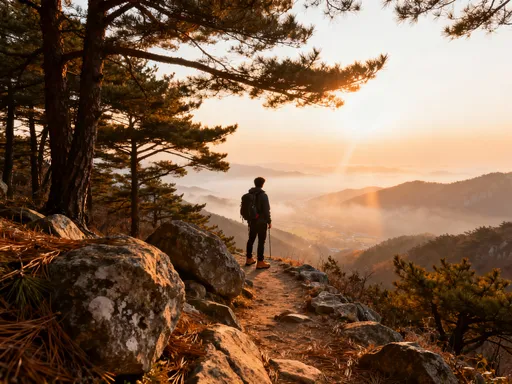
Another standout is the Gwanbong Ridge trail on Mudeungsan, known for its sweeping vistas and spiritual atmosphere. As one of the park’s most photographed routes, it leads hikers along a narrow spine of rock flanked by wild grasses and seasonal blooms. In spring, the hillsides burst with pink azaleas; in autumn, the forest transforms into a tapestry of gold and crimson. The full ridge hike can be challenging, but most visitors opt for the shorter, southern section that starts at Seseumjeong Parking Area. This version takes about 90 minutes round-trip and includes multiple rest points with benches and shade structures.
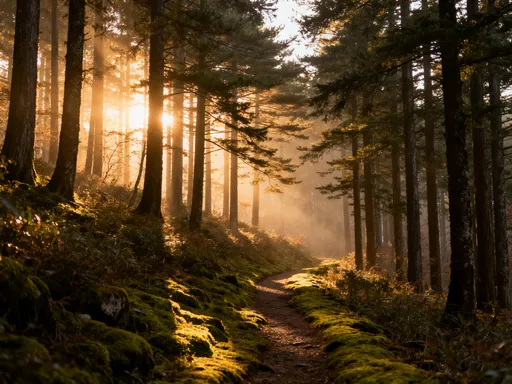
For a more meditative experience, the Dongan Valley trail offers a shaded, forested walk along a clear stream. Ideal for families or solo hikers seeking quiet, this path follows a gentle incline through bamboo groves and fern-covered undergrowth. Small footbridges cross the water at intervals, and birdsong fills the air throughout the day. Unlike crowded urban parks, this trail maintains a sense of solitude even on weekends, thanks to its location just outside the city center. All three trails are maintained by local park authorities, with regular signage, trash bins, and emergency call stations, ensuring a safe and enjoyable experience for all.
Leisure Venues Built Into the Landscape
What truly elevates Gwangju’s hiking experience is the thoughtful integration of leisure spaces along and near the trails. These are not afterthoughts but intentional parts of the journey—places designed to extend the sense of calm and encourage mindful reflection. At the base of many trailheads, visitors will find small tea houses built from wood and stone, where they can sit with a warm cup of barley tea or traditional persimmon leaf infusion. These establishments are often run by local elders or community cooperatives, adding a personal touch to the experience.
One notable example is the Seoseokdae Rest Pavilion, located near the summit of Mudeungsan’s eastern slope. Surrounded by pine trees and open to the breeze, the pavilion offers shaded seating and sweeping views of the valley below. It’s a popular spot for hikers to unpack light meals, journal, or simply sit in silence. Nearby, the Mudeungsan Forest Healing Center provides a more structured wellness experience, offering guided forest bathing sessions, aromatherapy walks, and gentle stretching classes. These programs are rooted in the Korean concept of *sanlimyoyang*—forest healing—which emphasizes the physical and emotional benefits of spending time in natural environments.
In addition to these official spaces, the hills around Gwangju are dotted with informal relaxation zones: quiet courtyards beside old temples, open-air meditation decks, and small craft cafes that serve locally grown teas and handmade snacks. Some of these spots are tucked into quiet corners of the park, discovered only by those who wander slightly off the main path. They reflect a cultural value deeply embedded in Korean life: the belief that rest is not laziness but a necessary part of balance. By combining movement with stillness, Gwangju’s trail system supports not just physical health but emotional renewal.
How to Plan Your Hiking & Leisure Day Like a Local
Planning a fulfilling day in Gwangju’s outdoors doesn’t require expert knowledge or elaborate preparation. Locals approach these hikes as part of a lifestyle, not a weekend challenge. The key is to treat the experience as a full-day rhythm of movement, rest, and small pleasures. Most begin early in the morning, arriving at trailheads between 7:00 and 8:30 a.m. to avoid crowds and enjoy the cool, fresh air. Mudeungsan’s main entrances, such as the Seseumjeong or Pyeongseungsa Temple gates, are easily reachable by public bus, and parking is available for those who drive.
A typical itinerary might start with a moderate hike like the Uiamseong loop or the lower Gwanbong Ridge trail. After about 90 minutes of walking, hikers descend to a nearby rest area or village to unwind. Many choose to visit one of the hillside tea houses, where they can order a simple meal of rice cakes, vegetable pancakes, or noodle soup. Others head to a nearby public bathhouse, such as Gwangju Oncheonjang, to soak tired muscles in warm mineral water—a centuries-old Korean tradition for recovery and relaxation.
To deepen the cultural experience, visitors often pair their hike with a stop at a local market or craft village. The Gwangju Yangdong Traditional Market, located just a short bus ride from several trailheads, offers handmade pottery, herbal remedies, and regional snacks like *songpyeon* (pine-needle rice cakes). Shopping here feels personal and unhurried, much like the hiking trails themselves. The entire day unfolds at a natural pace, guided not by schedules but by energy levels and curiosity. This is the essence of hiking Gwangju-style: not a checklist, but a flow.
Seasonal Shifts: What to Expect Throughout the Year
One of the greatest joys of hiking around Gwangju is how the landscape transforms with the seasons, offering a distinct experience in every month of the year. Spring, from March to May, is perhaps the most vibrant, when azaleas bloom in brilliant clusters along Mudeungsan’s ridges and wildflowers carpet the forest floor. The air is soft and fragrant, and temperatures remain mild, making it ideal for longer hikes. This is also the season of tea ceremonies and spring festivals, some hosted at temple grounds near the trails, where visitors can sample freshly picked green tea and participate in quiet meditation sessions.
Summer, while warmer, brings its own rewards. The dense canopy of pine and oak provides ample shade, and the higher elevations offer a noticeable drop in temperature compared to the city below. Hikers often visit in the early morning or late afternoon to enjoy cool breezes and the sound of cicadas echoing through the trees. Streams swell with rainwater, creating small waterfalls and reflective pools that invite brief stops. For those seeking relief from the heat, the forest healing programs intensify during this season, with night walks under the stars and herbal mist sprays used in guided relaxation sessions.
Fall, from September to November, is widely considered the most beautiful time to hike. The hills ignite with color as ginkgo, maple, and zelkova trees turn gold, orange, and deep red. The crisp air enhances stamina, and visibility is at its peak, allowing for stunning long-distance views. The Gwangju Autumn Leaf Festival, held annually at Mudeungsan’s main entrance, celebrates this season with cultural performances, food stalls, and photography exhibitions. Winter, though quieter, offers a serene beauty of its own. Light snow dusts the peaks, creating a tranquil, monochrome landscape. Trails remain open and well-maintained, and the reduced crowds make it a perfect time for solitude and reflection.
Transportation & Accessibility: Getting There Without a Car
A major advantage of hiking in Gwangju is that no car is needed to reach the trails. The city’s public transportation system is efficient, affordable, and designed with outdoor access in mind. From Gwangju Station or the downtown bus terminal, multiple bus lines connect directly to major trailheads. Bus 1002, for example, runs from the station to the Seseumjeong entrance of Mudeungsan every 20 minutes during peak hours. The ride takes about 35 minutes, and the final stop is a five-minute walk from the trailhead.
Other routes, such as Bus 101 to Pyeongseungsa Temple or Bus 131 to Uiamseong, serve different sections of the mountain and surrounding parks. All buses are equipped with real-time tracking displays, and many have designated space for backpacks or walking poles. For added convenience, the Gwangju City Card can be used across all transit modes, eliminating the need to purchase individual tickets. Bicycle rentals are also available at several transit hubs, allowing visitors to combine cycling with hiking for a full day of low-impact exploration.
During peak seasons like spring and fall, the city operates eco-friendly shuttle buses from key downtown locations to trail entrances. These shuttles reduce congestion and promote sustainable tourism, aligning with Gwangju’s broader environmental goals. Signage at stations and stops is clear and bilingual, with English translations provided for major routes. For families or older travelers, the entire process is straightforward and stress-free. The message is clear: nature is not a luxury reserved for those with vehicles or hiking expertise—it’s a public resource, open to all.
The Bigger Picture: Why This Blend of Hiking & Leisure Matters
In an age of constant connectivity and urban intensity, the hiking culture of Gwangju offers a powerful counterbalance. It represents a growing global desire to slow down, to move with intention, and to find restoration in simplicity. The trails around Gwangju are not about conquering summits or setting records; they are about presence, about stepping away from screens and schedules and re-engaging with the natural world. This is not just recreation—it’s a form of self-care, a quiet rebellion against the pace of modern life.
The integration of leisure spaces into the hiking experience underscores a deeper philosophy: that rest is not the opposite of activity but its complement. By designing trails that lead not just upward but inward, Gwangju invites visitors to redefine what adventure means. It’s not about adrenaline or achievement; it’s about connection—to the land, to community, and to oneself. This model of mindful movement is increasingly relevant as cities worldwide grapple with issues of mental health, digital fatigue, and environmental disconnection.
For the 30- to 55-year-old woman balancing family, work, and personal well-being, Gwangju’s hiking culture offers a realistic and uplifting alternative. It doesn’t require extreme fitness, expensive gear, or long travel times. It asks only for openness and a willingness to walk slowly, breathe deeply, and pause often. In doing so, it restores not just energy but perspective. As more people seek travel that nourishes rather than exhausts, Gwangju stands as a quiet example of how cities can harmonize with nature to create spaces of lasting peace.
The next time you feel the weight of routine pressing down, remember this: just beyond the city streets, a trail awaits. It doesn’t demand much. It simply invites. And sometimes, that’s exactly what we need.