Where Flavor Meets the Falls: A Food Lover’s Journey Through Iguazu’s Hidden Culinary Architecture
You know that feeling when a place surprises you not just with its views, but with its flavors? Iguazu Falls isn’t just about thundering water—it’s where bold Brazilian cuisine lives inside stunning, unexpected spaces. Think jungle-kissed food stalls, glass-walled restaurants hovering over rapids, and flavors as wild as the landscape. This is more than a trip—it’s a sensory fusion of taste and design you never saw coming. From the moment your foot touches the humid earth of the Brazilian side, the air thick with the scent of wet leaves and roasting meat, you realize this journey engages more than sight. It awakens appetite, curiosity, and a quiet appreciation for how food and place can be woven together with intention. In Iguazu, every meal feels like a discovery, every dining space a quiet dialogue between nature and human ingenuity.
The First Taste of Iguazu: Arrival and First Impressions
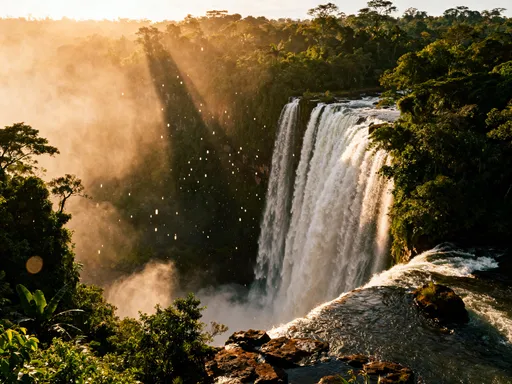
Stepping into the Iguazu Falls National Park on the Brazilian side is like entering a living cathedral. Towering araucaria pines stretch skyward, their canopies filtering sunlight into dappled gold across winding paths. The roar of the falls grows louder with every step, a constant reminder of the natural force at play. But before the full spectacle reveals itself, another kind of welcome emerges—through scent and sound. Near the entrance, clusters of open-air kiosks greet visitors with sizzling griddles and the sweet tang of fresh fruit. These are not mere convenience stands; they are carefully designed gateways to the region’s culinary soul.
Vendors serve piping hot pasteis—crispy, golden pockets filled with cheese, meat, or heart of palm—cooked to order in compact, mobile units made of recycled wood and corrugated metal. Nearby, açaí bowls are blended fresh, their deep purple hue a vivid contrast against green banana leaves used as serving trays. Guaraná drinks, locally sourced and naturally caffeinated, are poured into recyclable cups, their effervescence mirroring the energy of the place. These simple offerings are more than snacks—they are introductions to a culture that values freshness, simplicity, and community.
What makes these early food encounters memorable is how seamlessly they integrate with the environment. The kiosks are low-impact structures, elevated slightly to prevent water damage during rains and designed with wide overhangs to provide shade. Their open sides allow for natural ventilation, reducing the need for artificial cooling, while also inviting the sounds and scents of the jungle into the dining experience. This architectural modesty is intentional—these spaces do not compete with the falls but instead prepare the visitor, palate and spirit, for what lies ahead. The first bite of warm pão de queijo, its chewy center melting on the tongue, becomes part of the journey, not a pause from it.
Beyond the Water: Why Food and Design Matter in Nature Destinations
It’s easy to overlook the role of dining infrastructure in natural parks, but in places like Iguazu, it’s far from an afterthought. The way we eat while immersed in nature shapes our memory of the experience. A poorly placed cafeteria with fluorescent lights and plastic seating can break the spell of the wilderness, while a thoughtfully designed eatery can deepen the connection to the landscape. In Iguazu, food and architecture are not just functional—they are experiential tools that enhance the visitor’s relationship with the environment.
The philosophy here is one of harmony. Rather than imposing on the jungle, the culinary spaces are designed to emerge from it. Elevated walkways double as dining platforms, offering panoramic views of the falls while minimizing ground disturbance. Restaurants are positioned to frame specific vistas, using large glass panels or open-air layouts that dissolve the boundary between indoors and outdoors. This integration is not merely aesthetic; it reflects a deeper respect for the ecosystem. By aligning design with natural contours, builders reduce erosion, protect root systems, and preserve animal pathways.
Moreover, these spaces serve an educational function. Menus often list ingredient origins, highlighting local farms and sustainable practices. Informational plaques near seating areas explain the use of native materials like ipê wood and volcanic stone, which are durable and blend naturally with the surroundings. Even the placement of tables encourages mindfulness—groups are spaced to allow for quiet contemplation, and seating often faces the falls or the river, reinforcing the idea that dining here is part of a larger sensory journey. When food and design work in tandem, the result is not just convenience, but a richer, more meaningful encounter with place.
The Iconic Spot: Refúgio Cataratas Restaurant & Its Architectural Story
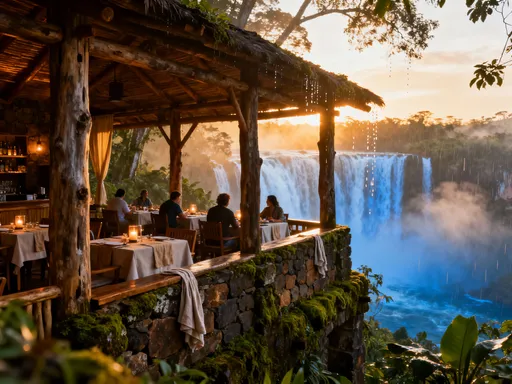
Among the most celebrated dining experiences in Iguazu is the Refúgio Cataratas Restaurant, nestled within the national park and accessible only to visitors. This is not a grand hotel dining room but a carefully composed space that feels both rustic and refined. Built with native materials—dark-stained timber, rough-hewn stone, and clay tiles—the structure appears to grow organically from the forest floor. Its low profile and earth-toned palette ensure it doesn’t dominate the landscape but instead complements it, like a shelter meant for quiet observation.
The restaurant’s open layout is its most striking feature. Wide, unsupported beams create a sense of expansiveness, while floor-to-ceiling glass walls offer unobstructed views of the surrounding canopy and, in the distance, the misty plume of the falls. Even when seated, diners feel immersed in the jungle. Ceiling fans crafted from reclaimed wood rotate slowly, circulating the warm, humid air without disrupting the natural soundscape. The absence of loud music or harsh lighting enhances the tranquility, making each meal feel like a private moment in nature.
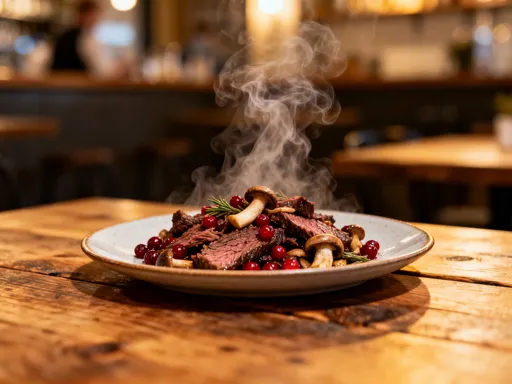
The menu is a tribute to regional flavors, crafted with ingredients sourced from nearby communities. A signature dish, frango com quiabo (chicken with okra), is slow-cooked in a clay pot, its rich, tangy sauce thickened with tucupi, a traditional Amazonian condiment. Another favorite, moqueca de peixe, features fresh river fish simmered in coconut milk, dendê oil, and cilantro, served in a handmade ceramic bowl that retains heat beautifully. Desserts highlight the region’s bounty—passion fruit mousse, banana caramelized in panela sugar, and açaí layered with granola and local honey. Each plate is presented with care, often on hand-thrown pottery that reflects the artistry of local craftsmen.
What sets Refúgio Cataratas apart is not just its food or view, but the way architecture supports both. The kitchen is partially open, allowing glimpses of chefs tending to wood-fired grills and clay ovens, reinforcing the authenticity of the experience. Service is attentive but unobtrusive, with staff trained to speak softly and move with care. This is dining as ritual—a deliberate pause in the journey, where every detail, from the texture of the table to the angle of the light, invites presence and appreciation.
Hidden Bites: Off-the-Beaten-Path Food Stalls with Design Flair
Beyond the main trails and well-known restaurants lie quieter culinary gems—modest food stalls tucked along secondary paths, accessible only to those willing to wander a little farther. These are not listed in guidebooks, yet they offer some of the most authentic tastes of Iguazu. One such spot is a bamboo hut perched above the lower walkways, reachable via a narrow wooden bridge. Its modular design allows for easy assembly and disassembly, minimizing environmental impact, while its elevated floor protects against flooding during heavy rains.
The stall specializes in espetinhos—grilled meat skewers marinated in garlic, lime, and smoked paprika. Cooked over a small charcoal grill, the skewers are served on biodegradable plates lined with banana leaves. Nearby, another vendor operates a portable oven from a repurposed shipping container, churning out batches of pão de queijo every hour. The warm, cheesy breads are handed out fresh, their golden crusts crackling under gentle pressure. Coconut water, harvested from nearby palms, is served in the shell, complete with a reusable straw made from bamboo.
What makes these stalls remarkable is their thoughtful design. Despite their simplicity, they are engineered for durability and efficiency. The bamboo structures are treated to resist humidity and insect damage, while the roofs are angled to channel rainwater into collection barrels. Shading is provided by natural canopies or woven palm fronds, reducing reliance on artificial cooling. Even crowd management is considered—seating is arranged in small clusters, preventing congestion and preserving sightlines to the river. These stalls prove that good design does not require grandeur; it requires intention. They serve not only food but a sense of place, offering travelers a chance to eat as locals do—simply, freshly, and in harmony with nature.
Flavors of the Region: How Local Ingredients Shape the Culinary Identity
The cuisine of Iguazu is rooted in the bounty of the Atlantic Forest and the fertile lands surrounding the Paraná River. This region is a treasure trove of native ingredients, many of which are unfamiliar to international visitors but central to daily life here. Yerba mate, the beloved herbal tea, is harvested and dried using traditional methods, its smoky, grassy flavor a staple at breakfast and beyond. Cassava, a starchy root vegetable, is transformed into farofa, a toasted flour used to thicken stews or as a side dish. Banana, grown in abundance, appears in both savory and sweet preparations—from fried plantains to creamy desserts.
Chefs in Iguazu are increasingly drawing on these ingredients to create a distinct culinary identity. At Refúgio Cataratas, for example, a modern twist on moqueca incorporates local river fish with a broth infused with guatambu leaves, a fragrant herb found only in this biome. Another innovation is the use of jenipapo, a dark purple fruit, to create natural food coloring for desserts and sauces. These choices are not merely creative—they are acts of preservation, keeping traditional knowledge alive in a changing world.
The preparation methods are equally tied to place. Wood-fired grilling is common, not only for flavor but for practicality—charcoal is often produced from fallen branches, reducing waste. Outdoor kitchens are designed with high chimneys to disperse smoke, and open flames are contained within stone enclosures to prevent forest fires. Even the act of cooking becomes part of the architectural landscape, with grills positioned under shaded pergolas that double as social gathering spots. In this way, food, fire, and form are interconnected, each reinforcing the other in a cycle of sustainability and tradition.
Design That Respects Nature: Sustainability in Food Infrastructure
Sustainability is not a buzzword in Iguazu—it is a necessity. With thousands of visitors passing through each year, the pressure on resources is immense. Yet, the food infrastructure here demonstrates how tourism can coexist with conservation. Solar panels power many of the larger kiosks and restaurants, reducing dependence on fossil fuels. Rainwater harvesting systems collect runoff from roofs, storing it for cleaning and irrigation. Waste is minimized through composting organic scraps and using biodegradable packaging made from plant fibers.
Architectural choices further support these goals. Buildings are oriented to maximize natural light and ventilation, reducing the need for electricity. Elevated foundations protect against flooding and allow wildlife to pass underneath. Ramps and wide pathways ensure accessibility for all visitors, including those with mobility challenges, without requiring extensive land clearing. Even the choice of materials is deliberate—stone and wood are sourced from sustainable suppliers, and finishes are non-toxic, preventing chemical runoff into nearby waterways.
One of the most impressive examples is a floating snack bar located near the lower walkways. Built on a buoyant platform anchored to the riverbed, it rises and falls with the water level, eliminating the need for permanent construction on sensitive banks. The structure is made from recycled plastic lumber, resistant to rot and marine borers, and its roof doubles as a solar array. During peak hours, it serves hundreds without generating excess waste, thanks to a strict no-single-use-plastic policy. These innovations show that eco-conscious design is not about sacrifice, but about smarter, more thoughtful solutions that benefit both people and planet.
Planning Your Own Culinary Adventure: Practical Tips for Food-Focused Travelers
For travelers eager to explore Iguazu’s culinary landscape, timing and planning can make all the difference. The best hours for dining are early morning and late afternoon, when temperatures are cooler and crowds are thinner. Arriving at Refúgio Cataratas just before sunset allows for a meal accompanied by golden light filtering through the trees and the soft glow of lanterns being lit. Midday visits, while busier, offer the chance to try street food when vendors are most active.
A recommended itinerary begins at the main entrance, where a quick stop at a pasteis stand provides energy for the hike. After exploring the upper and lower trails, a pause at the floating snack bar offers refreshment with a view. Lunch at Refúgio Cataratas can be reserved in advance, ensuring a table near the window. In the evening, if staying nearby, a return visit to the park’s edge for grilled espetinhos under the stars completes the experience.
When dining, choose seats that face the natural surroundings rather than inward toward the kitchen or other guests. Engage respectfully with vendors—many are local families who have operated these stalls for generations. A simple 'obrigada' or 'obrigado' goes a long way. Avoid single-use plastics, carry a reusable water bottle, and dispose of waste in designated bins. Most importantly, eat slowly. Let the flavors linger, the sounds of the falls fill your ears, and the warmth of the sun on your skin remind you that travel is not just about seeing, but about feeling, tasting, and being present.
For families, many stalls offer child-friendly options like cheese pastries and fresh fruit cups. High chairs are available at Refúgio Cataratas, and shaded seating ensures comfort even on warm days. The experience is welcoming to all, from solo adventurers to multigenerational groups, each finding their own rhythm within the landscape.
Ultimately, a food-focused visit to Iguazu is about more than meals—it’s about connection. It’s about understanding a place through its flavors, its craftsmanship, and the quiet intelligence of its design. By choosing to eat mindfully, travelers support local economies, reduce environmental impact, and carry home memories that are not just visual, but deeply sensory.
Iguazu Falls isn’t just a feast for the eyes—it’s a full-body experience where taste, sound, and design converge. By paying attention to the quiet brilliance of its food-focused architecture, travelers gain a deeper connection to the land and its people. This is travel at its most nourishing: not just seen, but savored. Every bite tells a story—of forest and river, of tradition and innovation, of a place that welcomes not only the gaze, but the palate. In Iguazu, the journey is delicious in every sense.