You Won’t Believe What I Ate in Tampere – A Foodie’s Secret Journey
Finland’s culinary scene often flies under the radar, but my trip to Tampere changed everything. Far from just rye bread and reindeer, this lakeside city surprised me with its cozy cafés, market hall gems, and modern twists on traditional flavors. If you think Finnish food is bland, you haven’t been to the right places. Let me take you through the tastes that made my visit unforgettable. Nestled between Lake Näsijärvi and Lake Pyhäjärvi, Tampere is a city where industrial heritage meets Nordic warmth, and where every meal feels like a quiet celebration of nature’s gifts. It’s not flashy, but it’s deeply satisfying—just like the food.
Discovering Tampere: More Than Just a Pit Stop
Tampere, once known primarily as Finland’s industrial heartbeat, has gracefully transformed into a cultural and culinary destination that deserves far more attention. Its red-brick factories, some dating back to the 19th century, now house museums, design studios, and intimate restaurants, giving the city a unique blend of history and modernity. Located just 1.5 hours north of Helsinki by train, Tampere is easily accessible yet feels worlds away from the capital’s pace. For travelers seeking authenticity over spectacle, this city delivers in quiet abundance.
What makes Tampere especially appealing to food lovers is its human scale. The city center is compact and walkable, allowing visitors to explore its culinary offerings without rushing or relying on public transport. Cobblestone streets lead from one cozy café to another, and the air often carries the scent of freshly baked bread or brewing coffee. Unlike more tourist-heavy cities in Europe, Tampere maintains a local rhythm. There are no crowds jostling for photo ops or long lines at overhyped restaurants. Instead, you’ll find Finns going about their day, stopping by their favorite market stall for a warm pastry or enjoying a quiet lunch at a neighborhood pub.
This unpretentious atmosphere creates the perfect setting for genuine food discovery. Whether you're sipping cloudberries tea in a sunlit café or sampling smoked fish at a century-old market hall, the experience feels personal and unhurried. Tampere invites you to slow down, observe, and taste—not as a spectator, but as a welcomed guest. It’s a city that rewards curiosity and openness, where culinary surprises await around every corner, often in the most unassuming places.
The Heart of Finnish Flavor: What Defines Local Cuisine
Finnish cuisine is often misunderstood. To many, it may seem simple or even austere—defined by long winters, limited growing seasons, and a reliance on preserved foods. But this simplicity is not a limitation; it’s a philosophy. At its core, Finnish food is about respect for ingredients, seasonality, and the natural world. Meals are built around what the land and water provide: freshwater fish, wild mushrooms, cloudberries, lingonberries, root vegetables, and high-quality dairy. These are not exotic components, but they are used with intention and care.
One of the defining characteristics of Finnish cooking is its restraint in seasoning. Unlike more robustly spiced cuisines, Finnish dishes often rely on the natural flavors of the ingredients, enhanced by subtle use of salt, butter, and fresh herbs. This doesn’t mean the food lacks depth—in fact, the opposite is true. A well-prepared Finnish salmon soup, for example, balances the richness of the fish with the brightness of dill and the creaminess of potatoes, creating a dish that is both comforting and refined. The result is a cuisine that speaks quietly but meaningfully, much like the Finnish people themselves.
Preservation techniques also play a crucial role in shaping the flavor profile of traditional Finnish food. Smoking, pickling, fermenting, and drying have long been necessary for surviving the winter months, and these methods have become integral to the national palate. Smoked vendace, pickled beets, fermented rye bread, and dried reindeer meat are not just staples—they are celebrated elements of everyday meals. These techniques add complexity and depth, transforming simple ingredients into something nuanced and satisfying. Understanding this context helps explain why Finnish food might seem understated at first glance but reveals its richness upon closer tasting.
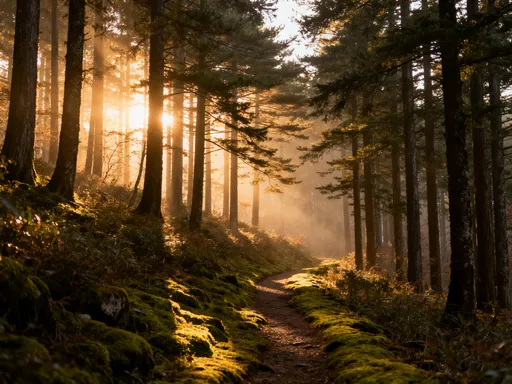
Another key element is the connection to nature. Many Finns forage for mushrooms and berries during the summer and autumn months, and this tradition influences both home cooking and restaurant menus. It’s common to see dishes featuring wild chanterelles or cloudberries, not as novelty ingredients, but as natural parts of the seasonal cycle. This deep-rooted relationship with the environment ensures that Finnish cuisine remains grounded, sustainable, and deeply tied to the rhythm of the seasons.
Market Hall Adventures: Where Locals Eat Every Day
If there’s one place in Tampere that captures the soul of Finnish food culture, it’s the Tampere Market Hall, or Kauppahalli. Opened in 1901, this historic hall has been a cornerstone of daily life for over a century. Housed in a charming brick building near the central square, it’s a place where generations of locals have come to buy fresh produce, enjoy hearty meals, and catch up with neighbors. For visitors, it’s the perfect starting point for a culinary journey—authentic, welcoming, and full of flavor.
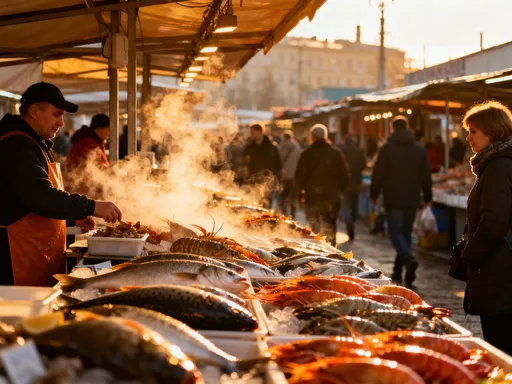
Stepping inside the market hall is an experience for all the senses. The air is warm and rich with the aroma of coffee, baking bread, and grilled meats. Wooden counters display glistening fish, wheels of aged cheese, jars of honey, and baskets of seasonal berries. Vendors greet customers by name, and the hum of conversation creates a comforting background rhythm. This is not a tourist market selling souvenirs; it’s a living, breathing food community where quality and tradition are paramount.
One of the standout stalls is known for its smoked vendace, a small freshwater fish that’s a regional specialty. Served warm with a side of boiled potatoes and lingonberry jam, it’s a humble dish that delivers big flavor—smoky, savory, and slightly sweet. Another favorite is the soup counter, where daily offerings might include creamy salmon soup, mushroom and barley stew, or pea soup served with a dollop of mustard. These soups are deeply satisfying, often made from scratch each morning using local ingredients.
For those with a sweet tooth, the bakery section does not disappoint. Freshly baked pulla—soft, cardamom-scented buns—is a staple, often enjoyed with a cup of strong Finnish coffee. There are also munkki, Finnish doughnuts that are lighter and less sweet than their American counterparts, typically dusted with powdered sugar. Many visitors are surprised by how much they enjoy these simple treats, which reflect the Finnish approach to desserts: modest in size, rich in comfort.
What makes the market hall especially valuable for travelers is its accessibility. Most vendors speak English, and many menus include English descriptions. Prices are reasonable, especially compared to sit-down restaurants, making it easy to sample a variety of dishes without overspending. Whether you’re grabbing a quick lunch or taking your time to explore different stalls, the market hall offers an authentic taste of Tampere’s everyday food culture—one that is warm, generous, and deeply rooted in community.
From Sautéed Reindeer to Karelian Pies: Must-Try Traditional Dishes
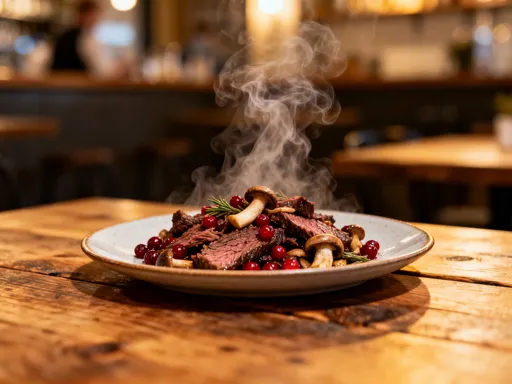
No visit to Tampere would be complete without trying some of Finland’s most iconic dishes, many of which are served with pride in local restaurants and lunch pubs. Among the most celebrated is poronkäristys, or sautéed reindeer—a dish that might sound adventurous but is a staple in Finnish households and eateries alike. The reindeer meat is lean and flavorful, often pan-seared with onions and served with mashed potatoes and lingonberry jam. The jam cuts through the richness of the meat, adding a tart contrast that elevates the entire dish. It’s hearty, satisfying, and emblematic of Finland’s northern cuisine.
Another must-try is kalakukko, a traditional Finnish fish pie that originated in the eastern regions but is widely enjoyed in Tampere. This rustic dish consists of a thick rye crust filled with layers of fish—usually vendace or perch—and pork, baked until the filling is tender and the crust is crisp. It was originally designed as a durable meal for fishermen and hunters, and it still carries that sense of practical nourishment. Today, you can find excellent versions at local bakeries or specialty food shops, where it’s often sold by the slice and enjoyed warm or at room temperature.
Equally iconic is the karjalanpiirakka, or Karelian pie, a delicate pastry made from thin rye crust and filled with rice porridge or mashed potatoes and carrots. What sets it apart is the topping: a spoonful of egg butter, a simple mixture of hard-boiled eggs and butter that melts into the warm pie. The combination of earthy rye, creamy filling, and rich egg butter creates a flavor that is both humble and deeply comforting. These pies are commonly eaten for breakfast or as a snack, often accompanied by a glass of cold milk.
For those interested in trying these dishes in a traditional setting, Tampere offers several lunch pubs—known locally as lounasravintolat—that serve authentic Finnish fare at reasonable prices. These establishments focus on daily changing menus featuring seasonal ingredients, often sourced from nearby farms and lakes. Ordering is straightforward, with most places offering a set lunch that includes a main dish, side, and sometimes soup or dessert. To eat like a local, don’t hesitate to ask for recommendations, and be sure to pair your meal with a glass of buttermilk or a cup of strong coffee. These small details enhance the experience and connect you to the rhythm of Finnish dining culture.
Modern Twists: How Tampere’s Chefs Are Reinventing Tradition
While traditional dishes remain beloved, Tampere’s culinary scene is also being shaped by a new generation of chefs who are reimagining Finnish cuisine with creativity and precision. These innovators are not abandoning tradition—they are building on it, using local ingredients as a foundation for modern, globally inspired dishes. The result is a dining experience that feels both familiar and exciting, rooted in Nordic identity yet open to new possibilities.
One example of this evolution is the use of fermentation, a technique that has deep roots in Finnish food preservation but is now being applied in novel ways. Some restaurants serve fermented rye flatbreads with cultured butter, highlighting the tangy complexity that time and microbes can create. Others incorporate house-made fermented vegetables into tasting menus, pairing them with freshwater fish or game meats. These dishes showcase not only flavor innovation but also a commitment to sustainability and zero-waste principles.
Another trend is the refinement of classic ingredients through contemporary techniques. Beetroot-cured salmon, for instance, appears on menus as a delicate starter, often served with dill oil, horseradish cream, and edible flowers. This dish retains the essence of Nordic flavors—freshness, balance, seasonality—while presenting them in a more refined, restaurant-worthy format. Similarly, chefs are experimenting with textures, turning barley into creamy risotto-style dishes or using cloudberries to create elegant sorbets and sauces.
Seasonal tasting menus are becoming increasingly popular in Tampere’s higher-end restaurants, offering multi-course experiences that tell a story of the region’s landscape and seasons. These menus often feature foraged ingredients, artisanal cheeses, and locally caught fish, all prepared with meticulous attention to detail. Some chefs collaborate with local farmers and fishermen, ensuring that every component of the meal supports the regional economy. Pop-up dining events and food festivals also provide opportunities to experience this creative energy, often in unexpected venues like old factories or art galleries.
What’s remarkable is how these modern interpretations maintain respect for tradition. There is no attempt to mimic foreign cuisines or chase trends for their own sake. Instead, the focus remains on quality, authenticity, and a deep understanding of Finnish food culture. This balance between innovation and heritage is what makes Tampere’s culinary scene so compelling—it honors the past while confidently moving forward.
Sweet Escapes: Bakeries, Cafés, and the Art of Coffee Culture
In Finland, coffee is more than a beverage—it’s a ritual, a social anchor, a moment of pause in the day. The Finnish are among the world’s top coffee consumers, and in Tampere, this love affair with coffee is on full display in its many cozy cafés and family-run bakeries. These spaces are not just places to eat; they are sanctuaries of warmth and connection, especially during the long, dark winter months.
The tradition of fika—the Scandinavian concept of taking a break with coffee and something sweet—is alive and well in Tampere, though it may not be called by that name. Locals gather in cafés during mid-morning or afternoon, often with a book or a friend, to enjoy a cup of rich, dark coffee alongside a small pastry. The atmosphere is calm and inviting, with minimalist décor, soft lighting, and the gentle clink of porcelain. There’s no pressure to rush or order more than you need. You can sit for an hour with a single cup and feel perfectly welcome.
Bakeries in Tampere take pride in their craft, offering a range of traditional Finnish pastries that are both delicious and deeply tied to the culture. Pulla, the cardamom-scented sweet bread, is a daily favorite, often enjoyed at breakfast or as an afternoon treat. It’s soft, slightly sweet, and perfect with coffee. Munkki, the Finnish doughnut, is another popular choice—lighter than its American cousin and usually served plain or with a dusting of sugar. Some bakeries also offer runeberg torte, a almond-filled cake traditionally associated with the poet Johan Ludvig Runeberg and often flavored with raspberry jam and rum.
What sets Tampere’s café culture apart is its authenticity. These are not Instagram-driven spaces designed for viral moments. There are no neon signs or elaborate latte art competitions. Instead, the focus is on quality, comfort, and tradition. The coffee is strong and well-brewed, the pastries are made fresh each day, and the service is polite but unobtrusive. For visitors, this offers a chance to slow down and experience Finnish life as it’s truly lived—not curated, but real.
Planning Your Own Tampere Food Adventure: Practical Tips
For travelers planning a culinary visit to Tampere, a few practical tips can make the experience smoother and more rewarding. First, timing matters. The market hall is busiest during weekday mornings and lunch hours, so arriving early can help you avoid crowds and ensure the freshest selection. Many lunch pubs serve their daily specials between 11 a.m. and 2 p.m., making midday the ideal time to enjoy an authentic Finnish meal at a great price.
Language is rarely a barrier. While Finnish is the official language, English is widely spoken, especially in restaurants, cafés, and tourist areas. Menus are often available in both Finnish and English, and staff are generally happy to explain dishes or make recommendations. Don’t hesitate to ask questions—most locals appreciate the interest in their food culture.
When it comes to budget, Tampere is more affordable than Helsinki, but prices can vary. The market hall and lunch pubs offer excellent value, with full meals often costing between 10 and 15 euros. Sit-down restaurants, especially those offering tasting menus, can be more expensive, so it’s wise to plan accordingly. Consider mixing casual eats with one or two special dinners to balance cost and experience.
To make the most of your trip, combine food stops with cultural and scenic activities. Visit the Vapriikki Museum Centre, which houses several museums including one dedicated to Finnish game and wildlife, and enjoy a coffee break at the on-site café. Take a walk along the Tammerkoski rapids, where the old factories line the water, and stop by a waterside café for a view and a snack. In summer, consider a boat tour on Lake Näsijärvi, which often includes a light meal featuring local ingredients.
Finally, embrace the philosophy of slow travel. Tampere is not a city to rush through. Allow yourself time to wander, to sit, to taste without agenda. Some of the best culinary discoveries happen spontaneously—like a chance encounter with a vendor selling homemade berry jam or a quiet café where the owner shares a family recipe. Stay open-minded, be curious, and let the city reveal itself one meal at a time.
Tampere’s Table Is Waiting
Tampere may not be the first destination that comes to mind when planning a European food trip, but it should be. Behind its unassuming exterior lies a rich culinary culture that speaks of resilience, simplicity, and deep connection to nature. Every bite tells a story—of long winters and short summers, of lakes teeming with fish, of forests full of berries, and of a people who value quality over quantity.
This city invites you to look beyond stereotypes and discover the quiet beauty of Finnish cuisine. It’s not about extravagance or spectacle; it’s about authenticity, seasonality, and the comfort of a well-prepared meal shared in good company. Whether you’re savoring reindeer in a historic lunch pub, sampling smoked fish at the market hall, or enjoying pulla with coffee in a sunlit café, you’re not just eating—you’re connecting.
Tampere reminds us that the best travel experiences often come from the simplest moments. It’s in the warmth of a bakery, the kindness of a vendor, the richness of a soup made from local ingredients. The city doesn’t shout; it whispers. And if you listen closely, you’ll hear an invitation: to slow down, to taste deeply, to be present.
The table is set. The food is real. The people are welcoming. All you need to do is show up—with an open mind and an empty stomach. Tampere’s flavors are ready to welcome you, one honest, heartfelt meal at a time.